 14 Jan 2026
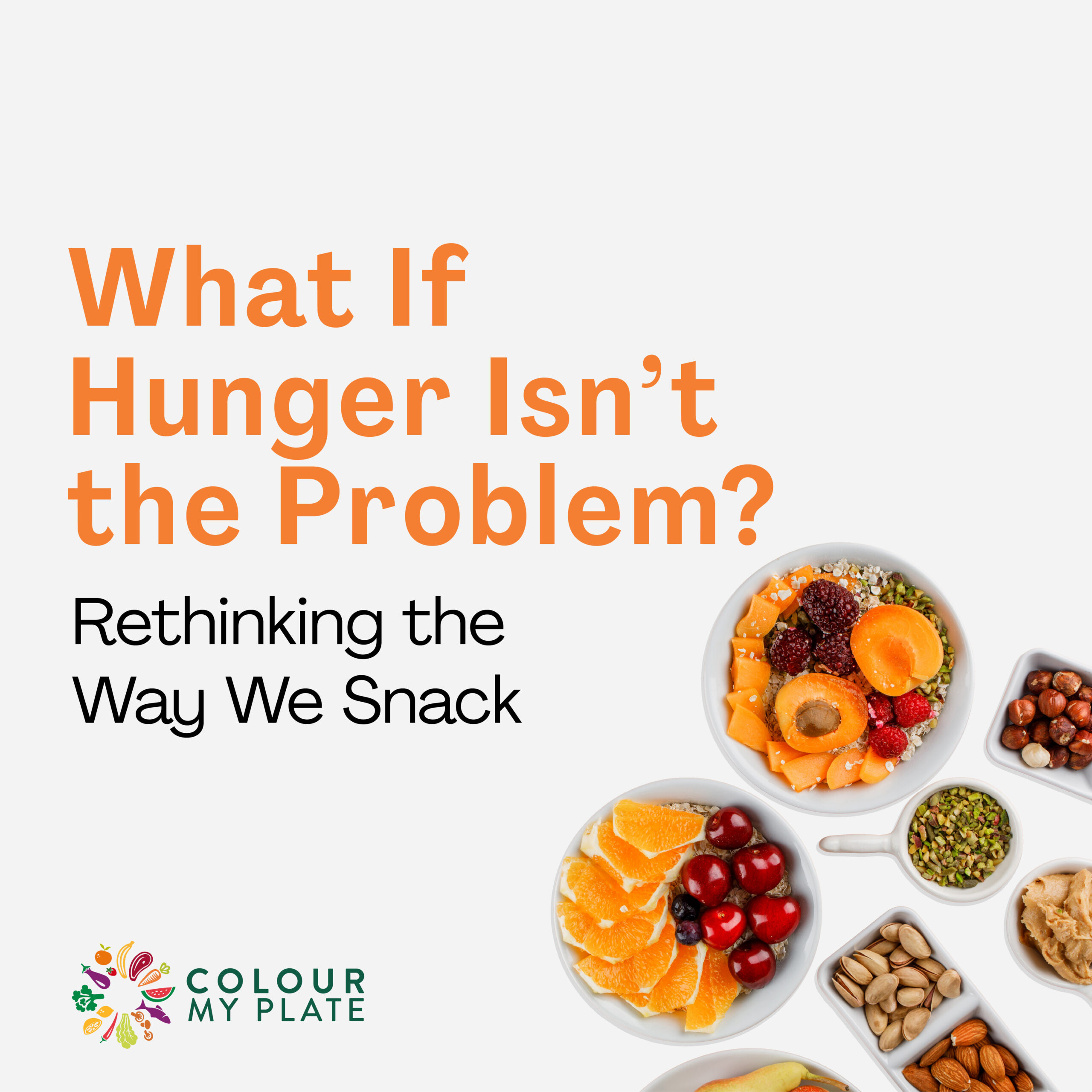
Ever find yourself reaching for a snack just because it’s there? Maybe it’s the 3 pm slump, the evening Netflix session, or the quiet boredom between tasks. Suddenly, the snack’s gone, and the question hits: Was that hunger or habit? For many, snacking has less to do with physical hunger and more to do with emotion. Whether it’s stress, boredom, or simple routine, emotional eating can sneak into daily life unnoticed. Let’s explore why it happens, what the science says, and how to shift from automatic snacking to mindful nourishment.
Emotional eating happens when food is used to manage emotions rather than satisfy physical needs. Studies show that stress and negative emotions often lead to increased cravings—especially for high-sugar, high-fat foods.
According to a review, emotional eaters may rely on food as a coping mechanism when feeling anxious, sad, or overwhelmed, offering temporary relief that reinforces the cycle.
Boredom might be one of the most underestimated triggers for emotional eating. Research shows that when people feel unstimulated, they’re more likely to crave snacks—even when they’re not hungry.
In one study, participants in a “high boredom” condition ate significantly more and preferred unhealthier snacks compared to those in a “low boredom” group. Boredom drives the mind to seek stimulation, and eating offers an easy, quick fix.
Sometimes emotional eating is less about feelings and more about context—snacking while working, watching TV, or commuting. These cues become automatic triggers. Research notes that environmental factors—like snack availability, portion size, and social cues—strongly shape when and how we eat.
Over time, the brain learns to associate certain times or activities with food, creating a loop that runs on autopilot.
| Cue | True Hunger | Emotional Eating |
|---|---|---|
| Timing | Builds gradually | Appears suddenly |
| Craving | Open to many foods | Craves something specific |
| Physical signs | Growling stomach, low energy | No physical hunger—just desire |
| Emotion | Neutral mood | Triggered by boredom, stress, sadness |
| Mindset | Calm and present | Impulsive or distracted |
| After eating | Feels satisfied | Feels guilty or still unsatisfied |
A simple check-in question helps: “What am I feeling right now?”
If the answer is anything other than hunger—pause, breathe, and try another form of comfort first.
Create small, specific plans to redirect impulses:
If I feel bored, then I’ll take a short walk.
If I feel stressed, then I’ll make tea before opening the fridge.
Such “implementation intentions” can significantly reduce emotional eating frequency.
Out of sight, out of mind truly works. Studies show that visual exposure to snacks increases consumption, even without hunger.
Keep tempting foods out of easy reach and stock the front of the fridge with whole foods like fruit, yogurt, or pre-cut veggies.
Wait ten minutes before snacking. Many cravings fade during this short pause—especially when they’re emotionally driven.
Sometimes “snacking” is the body’s response to under-fueling earlier. Meals low in protein or fiber can cause quick hunger rebounds. Balanced meals with lean proteins, complex carbs, and healthy fats keep energy steady.
If you do snack, do it mindfully. Sit down, focus on flavors, and stop when satisfaction—not fullness—sets in. This approach strengthens awareness and weakens emotional triggers.
Replace emotional eating with emotional regulation. Deep breathing, journaling, stretching, or talking with a friend can lower cortisol levels and ease stress-based cravings.
It’s important to remember that emotional eating isn’t a moral failure, it’s a coping mechanism that works temporarily. Occasional emotional eating is normal. The goal isn’t elimination, but awareness. The more we understand why we snack, the easier it becomes to respond with intention instead of impulse.
Hunger isn’t always the reason for a snack—sometimes, it’s emotion wearing hunger’s mask. By recognizing emotional eating cues, adjusting the environment, and practicing small mindful shifts, it’s possible to rebuild a calmer, more conscious relationship with food.

We noticed you haven't completed your delivery details.

Your message is sent