
4 Feb 2026
Decoding Cravings: What Your Body Is Really Trying to Tell You
Ever found yourself reaching for chocolate at 3 p.m., craving chips after a long meeting, or dreaming of ice cream late […]
Blog / Article

4 Nov 2026
Between busy work schedules, personal responsibilities, and everyday demands, stress can quickly become part of our routine. Over time, it can affect more than our mood. Persistent stress may contribute to fatigue, poor sleep, difficulty concentrating, and changes in appetite.
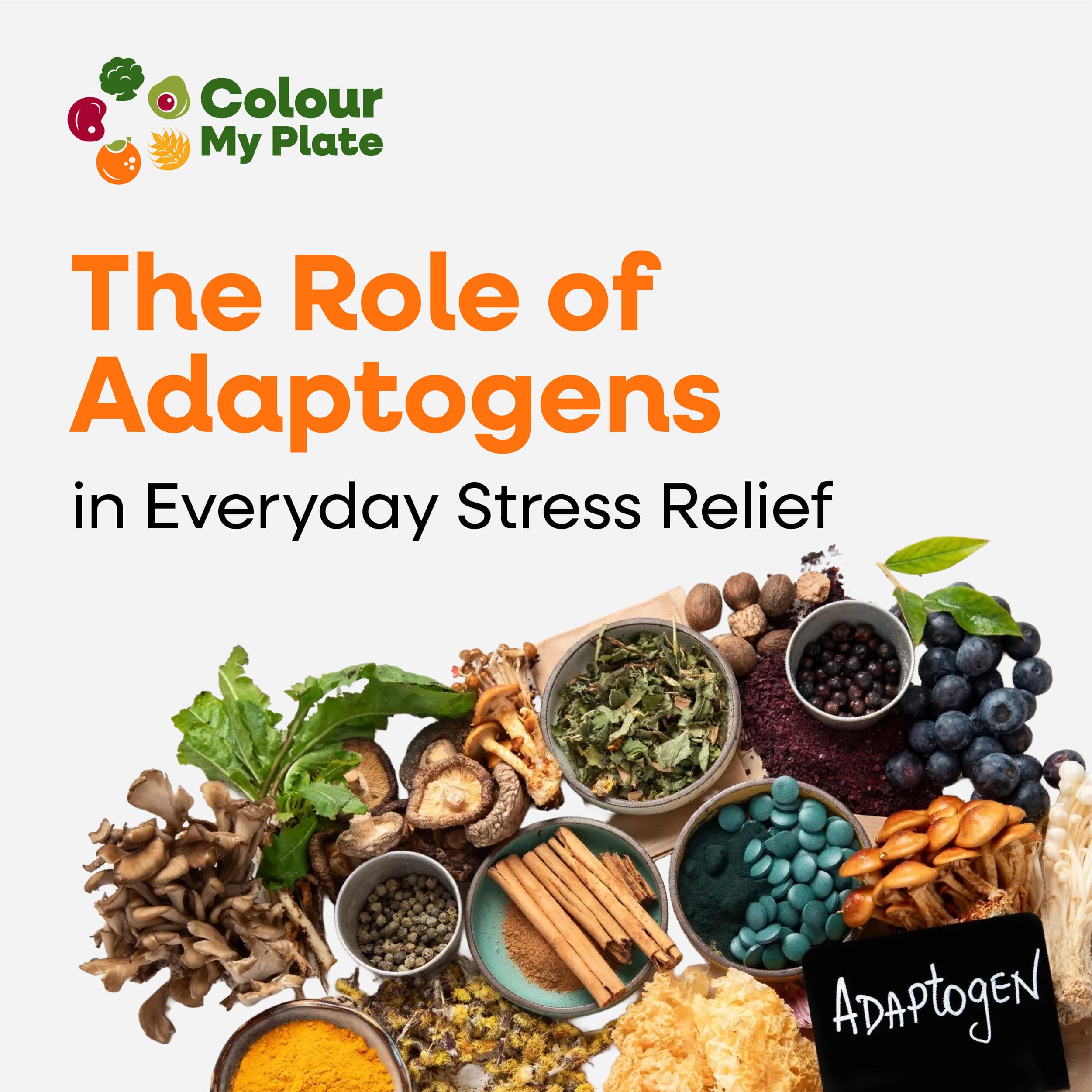
Healthy lifestyle habits provide the foundation for stress management. However, certain plants and herbs have also gained attention for their potential benefits. These plants, known as adaptogens, may help the body respond to stress. But what are they, and can herbs like rhodiola and holy basil really help us feel more balanced and energised?
Adaptogens are plant-based substances traditionally used to help the body cope with physical and psychological stress. Researchers believe they may influence the body’s stress-response system. This includes the hypothalamic-pituitary-adrenal (HPA) axis, which helps regulate hormones involved in stress.
Unlike stimulants, which temporarily increase alertness, adaptogens may help the body maintain balance during stressful periods.
Scientific evidence remains limited, however. Some clinical studies show promising results, but researchers need more high-quality trials. These studies will help determine how effectively different adaptogens support stress management.
One of the most widely researched adaptogens is Rhodiola rosea, also known as golden root or arctic root. Traditional medicine in parts of Europe and Asia has used this herb to support endurance and reduce fatigue.
Researchers have explored rhodiola’s potential effects on mental performance, physical energy, and the body’s response to stress.
Some studies suggest that rhodiola may help reduce mental and physical fatigue. This makes it particularly interesting for people with demanding work schedules or mentally exhausting routines.
A systematic review examined rhodiola’s effects on physical and mental fatigue. Several clinical trials reported potential benefits. However, the researchers also identified limitations in study quality.
More rigorous research must confirm these findings. For now, rhodiola offers an interesting area of research rather than a guaranteed solution for low energy.
Another interesting adaptogen is holy basil (Ocimum tenuiflorum), also known as tulsi. Ayurvedic traditions have used this herb for centuries to support general well-being and stress management.
Emerging research suggests that holy basil may help support emotional balance and sleep quality. Scientists have also explored its potential effects on the body’s stress response.
One eight-week clinical trial involved 100 adults experiencing stress. Participants who took a standardised holy basil extract reported improvements in perceived stress and insomnia scores. The researchers also observed changes in certain biological stress markers.
These findings offer encouraging insights into holy basil’s potential benefits. However, researchers need more studies to confirm its effectiveness. Results from one specific extract also cannot guarantee similar benefits from every holy basil product.
Adaptogens should complement healthy habits, not replace them. A balanced approach to stress management starts with everyday choices that support physical and mental well-being.
Consider these simple practices:
Natural does not automatically mean safe. Each adaptogen has different properties, potential side effects, and interactions with medication.
For example, rhodiola may cause dizziness, headaches, or insomnia in some people. It may also interact with certain medications. Researchers still need to investigate the long-term safety of many adaptogenic supplements.
Pregnant or breastfeeding women and people taking medication should seek medical advice before using these products. Anyone managing an existing health condition should also consult their healthcare professional.
Remember that dietary supplements do not undergo the same pre-market approval process as medicines. Product quality and ingredient transparency therefore matter.
Managing stress rarely comes down to one solution. Instead, consistent habits can help support your physical and mental well-being over time.
Adaptogens like rhodiola and holy basil offer interesting possibilities for stress management. Early research suggests potential benefits for fatigue, perceived stress, and sleep. However, scientists still need more high-quality studies to confirm these effects.
A balanced diet, adequate rest, regular movement, and mindful daily routines remain the foundation of good health. Adaptogens may complement these habits when appropriate, but they cannot replace the everyday choices that help us feel our best.