28 Mar 2021
Super Berries
Berries are more than just delicious—they’re vibrant sources of natural antioxidants that offer a burst of color and incredible taste. Delving […]
Blog / Article

29 Apr 2026
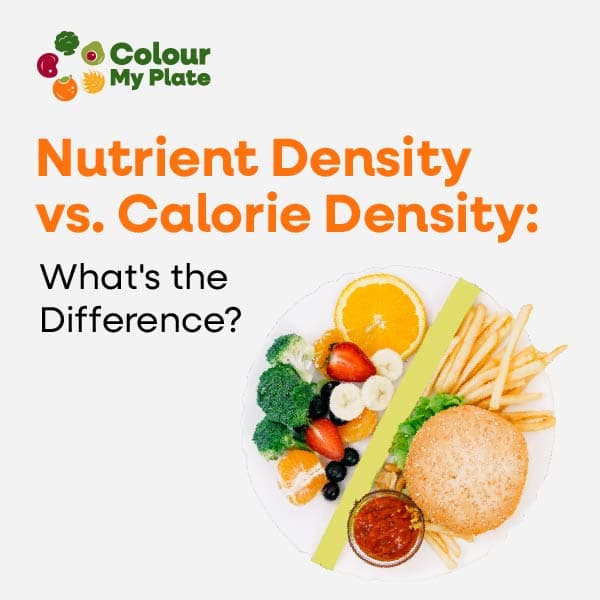
Nutrient-dense eating reshapes energy, cravings, and body composition because it gives your body what it’s actually been asking for, not just what fills you up for the moment. When you understand the tension between nutrient density and calorie density, the entire experience of eating shifts from managing willpower to supporting biology. And that’s where the real transformation begins.
Calorie-dense foods do the opposite. They pack a lot of energy into small portions but offer very little nourishment. Your body burns through the calories quickly, then sends you searching for more because the nutrients never arrived. That’s why a pastry disappears in minutes but leaves you hungry again, while a balanced meal keeps you satisfied for hours.
This isn’t about discipline. It’s about biology.
Calorie-dense foods create the opposite rhythm: quick highs, quick crashes, and a constant pull toward more. Over time, this pattern drains your metabolism and makes fat loss feel like an uphill battle.
Nutrient-dense foods naturally support a healthier body composition because they:
Calorie-dense foods make it easy to overshoot your needs without ever feeling satisfied. The body stores the excess but still signals hunger because the nutrients never arrived.
This is why focusing on nutrients, not just calories, creates change that feels sustainable instead of forced.
In a nutshell, nutrient density isn’t a diet. It’s a lens. When you choose foods that nourish, your body responds with steadier energy, clearer hunger signals, and a healthier composition, without the constant mental battle. Calories matter, but nutrients matter more for how you feel, how you perform, and how your body changes over time.