15 Oct 2025
Why Everyone’s Obsessed with Lagree: The HIIT Version of Pilates
In the ever-evolving world of boutique fitness, Lagree has emerged as a standout trend captivating celebrities, athletes, and everyday fitness enthusiasts […]
Blog / Article

29 Jul 2026
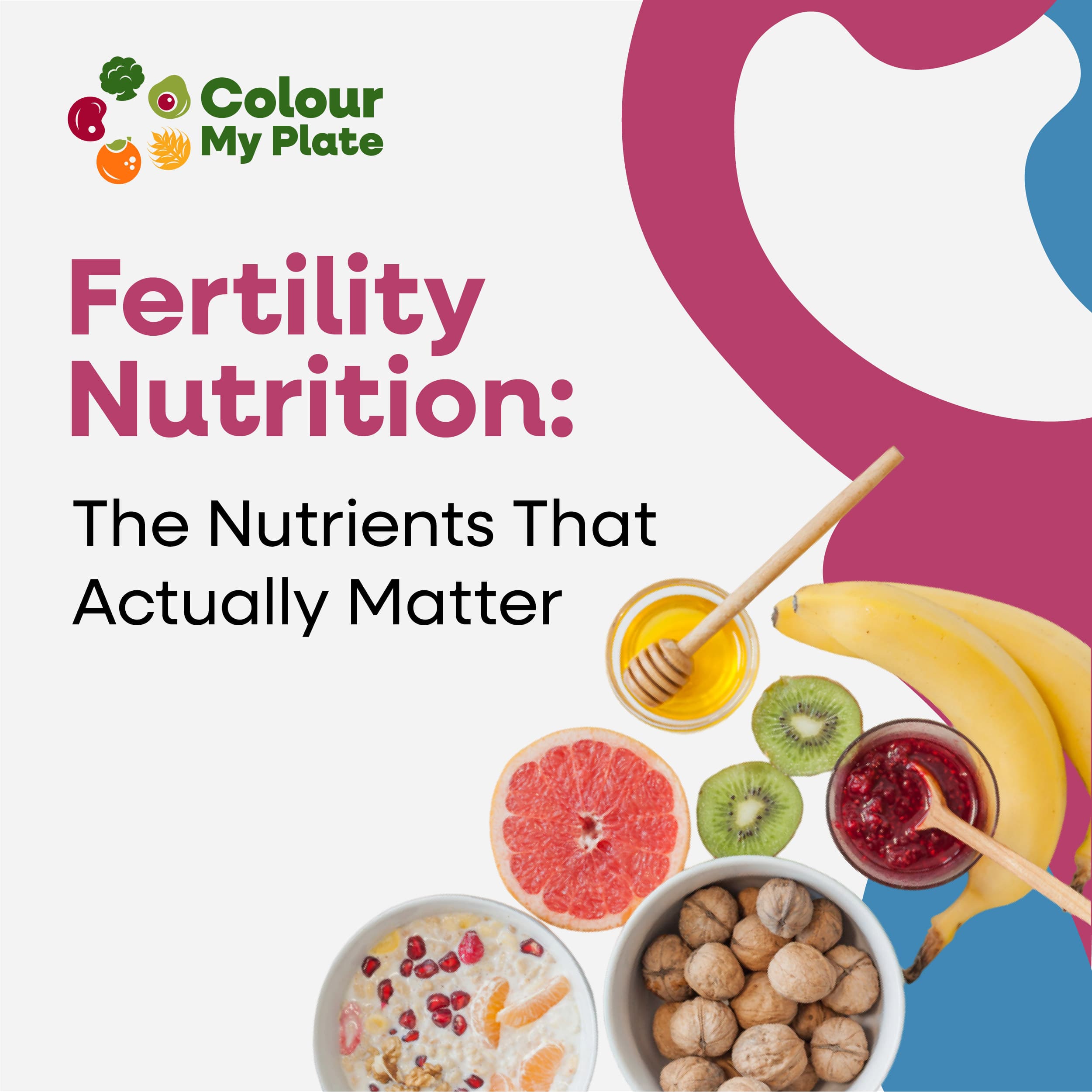
When it comes to fertility, advice is everywhere; cut carbs, go vegan, drink more smoothies, avoid this, eat that. But beneath the noise, research consistently points to a handful of fertility nutrients that genuinely influence reproductive health for both women and men. Rather than chasing trends, focusing on these core nutrients can make a meaningful difference.
Fertility is tightly linked to overall health. Hormone production, egg quality, sperm health, and even implantation all rely on the body having the right building blocks. Nutrient deficiencies or imbalances can quietly disrupt these processes long before any obvious symptoms appear.
Folate is one of the most well-established nutrients for fertility. Adequate folate levels have been linked to improved ovulation and a reduced risk of neural tube defects. It can be found naturally in foods such as leafy greens, lentils, chickpeas, asparagus, and avocados. While getting folate from whole foods is ideal, many people may still benefit from supplementation when trying to conceive to ensure optimal levels are met.
Iron deficiency is very common and can interfere with ovulation, making it an important nutrient to pay attention to. To maintain adequate levels, include iron-rich foods such as red meat, spinach, lentils, beans, and pumpkin seeds in your diet. Keeping in mind that pairing them with vitamin C–rich foods like lemon or peppers can significantly improve iron absorption.
Omega-3 fatty acids are healthy fats that play an important role in hormone regulation and reducing inflammation, both of which are important for reproductive health. They may help improve egg quality and support sperm structure and motility. Good dietary sources include fatty fish like salmon and sardines, walnuts, chia seeds, and flaxseeds.
Often called the “sunshine vitamin,” vitamin D functions more like a hormone in the body and plays an important role in reproductive health. It has been linked to ovarian function and menstrual regularity. You can obtain vitamin D through sunlight exposure as well as foods like fortified dairy, eggs, and fatty fish.
Zinc supports proper egg development and plays a critical role in sperm production and quality. To ensure adequate intake, include zinc-rich foods such as meat, shellfish, seeds, nuts, and whole grains in your diet.
Protein intake isn’t just about how much you consume, it’s also about the source. Diets that emphasize more plant-based proteins and limit processed red meat have been associated with better fertility outcomes. Good options to include in your diet are beans, lentils, eggs, fish, yogurt, and nuts.
Oxidative stress can damage both eggs and sperm, but antioxidants help protect against it. To boost your antioxidant intake, include foods like berries, citrus fruits, nuts, seeds, and a variety of vegetables in your daily diet.
It’s not only about adding beneficial nutrients; certain dietary patterns can also work against fertility. Diets high in trans fats, excessive sugar intake, high consumption of caffeine and alcohol, and overly restrictive diets can negatively affect your reproductive function.
No single food or nutrient guarantees pregnancy. Fertility is influenced by a combination of factors: nutrition, stress, sleep, age, and underlying health conditions. But here’s the key takeaway:
A balanced, nutrient-dense diet built around whole foods consistently supports reproductive health better than extreme or trendy approaches. Fertility nutrition isn’t about restriction or perfection. It’s about giving your body the raw materials it needs to function well. When those needs are met consistently, your body would have a stronger foundation.