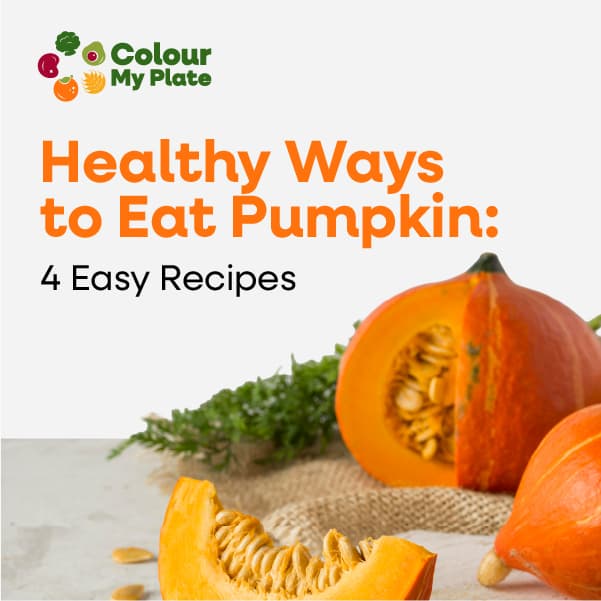
Pumpkin is much more than a seasonal decoration. This colourful winter squash is packed with nutrients and works beautifully in both sweet and savoury dishes. From comforting soups to wholesome breakfasts and snacks, these pumpkin recipes offer simple ways to enjoy this versatile ingredient. Naturally low in calories and rich in vitamins, minerals, and antioxidants, pumpkin is an easy addition to a balanced diet.
Why Is Pumpkin Good for You?
It is particularly well known for its high content of beta-carotene, an antioxidant that gives it its bright orange color. The body can convert beta-carotene into vitamin A, which supports healthy vision, the immune system, and normal skin function.
Pumpkin also provides fiber for digestion and satiety, vitamin C for immunity, potassium for muscle and nerve function. It also contains a variety of carotenoids with antioxidant properties. With relatively few calories, pumpkin can be a nutritious addition to meals and snacks.
Healthy Pumpkin Recipes to Try
From a warm bowl of soup to a satisfying salad, these pumpkin recipes make it easy to add more pumpkin to your meals.
-
Creamy Pumpkin Soup (No Cream)
Ingredients:
- 4 cups (960 g) pumpkin purée, unsweetened
- 1 medium yellow onion, diced
- 2 cloves garlic, minced
- 1 medium carrot, peeled and chopped
- 1 tablespoon (15 mL) olive oil
- 3 cups (720 mL) low-sodium vegetable broth
- ½ teaspoon ground cinnamon
- ¼ teaspoon ground nutmeg
- ½ teaspoon ground ginger
- ½ teaspoon salt
- ¼ teaspoon black pepper
- ½ cup (120 mL) low-fat milk or unsweetened milk of your choice
Instructions
- Heat the olive oil in a large pot over medium heat then add the onion and carrot and cook for 5–6 minutes, until softened.
- Add the garlic, cinnamon, nutmeg, and ginger. Cook for about 30 seconds.
- Add the pumpkin purée and vegetable broth. Bring the mixture to a gentle boil, then reduce the heat and simmer for 15 minutes.
- Remove from the heat and blend with an immersion blender until smooth.
- Stir in the milk and season with salt and black pepper to taste.
- Serve warm.
Number of Servings: 4
Nutrition per serving: 190 kcal, 5 g protein, 34 g carbohydrates, 6 g fat.
-
Pumpkin Oatmeal
Ingredients
- 1 cup (80 g) old-fashioned rolled oats
- 1 cup (240 g) pumpkin purée, unsweetened
- 1½ cups (360 mL) low-fat milk or unsweetened fortified plant milk • ½ cup (120 mL) water
- 1 tablespoon (15 mL) maple syrup
- 1 teaspoon cinnamon
- ¼ teaspoon ground nutmeg
- ½ teaspoon vanilla extract
- 2 tablespoons (16 g) chopped walnuts
- 1 tablespoon (10 g) pumpkin seeds
Instructions
- Add the oats, milk, water, pumpkin, cinnamon, and nutmeg to a saucepan and bring to a gentle simmer over medium heat.
- Cook for 5–7 minutes, stirring occasionally, until the oats become creamy.
- Remove from the heat and stir in the vanilla and maple syrup.
- Divide between two bowls and top each bowl with half of the walnuts and pumpkin seeds.
Number of Servings: 2
Nutrition per serving: 370 kcal, 14 g protein, 52 g carbohydrates, 13 g fat.
3. Pumpkin and Chickpea Salad
Ingredients:
For the salad
- 3 cups (375 g) roasted pumpkin cubes
- 1½ cups (250 g) cooked chickpeas, drained and rinsed
- 4 cups (120 g) mixed leafy greens
- 1 medium cucumber, diced
- ½ small red onion, thinly sliced
- ¼ cup (30 g) pumpkin seeds
- ¼ cup (30 g) crumbled feta cheese
For the dressing
- 2 tablespoons (30 mL) olive oil
- 2 tablespoons (30 mL) fresh lemon juice
- 1 teaspoon Dijon mustard
- 1 teaspoon honey
- ½ teaspoon dried oregano
- ¼ teaspoon black pepper
Instructions
- Place the leafy greens in a large salad bowl and add the roasted pumpkin, chickpeas, cucumber, and red onion.
- In a small bowl, whisk together the olive oil, lemon juice, Dijon mustard, honey, oregano, and black pepper.
- Pour the dressing over the salad and toss gently.
- Divide into four portions and sprinkle each serving with pumpkin seeds and feta.
Number of Servings: 4
Nutrition per serving: 390 kcal, 13 g protein, 48 g carbohydrates, 18 g fat.
-
Pumpkin Energy Bites
Ingredients
- 1 cup (90 g) old-fashioned rolled oats
- ½ cup (120 g) pumpkin purée
- ½ cup (130 g) natural peanut butter or almond butter
- 2 tablespoons (20 g) chia seeds
- 2 tablespoons (30 mL) honey
- 1 teaspoon cinnamon
- ½ teaspoon vanilla extract
- ¼ teaspoon ground nutmeg
- ¼ cup (30 g) finely chopped walnuts
Instructions
- Add all ingredients to a large bowl and stir until a thick, sticky mixture forms.
- Refrigerate the mixture for 20–30 minutes.
- Using your hands or a small cookie scoop, divide the mixture into 12 equal portions and roll each portion into a ball.
- Refrigerate for at least 30 minutes before serving.
Number of Servings: 12
Nutrition per serving: 125 kcal, 4 g protein, 14 g carbohydrates, 7 g fat.
Making Pumpkin Recipes Healthier
You don’t need to avoid your favorite pumpkin desserts. Instead, focus on balance. Try reducing the amount of added sugar, incorporating whole grains, using fruit for natural sweetness, and adding nuts or seeds for extra nutrients.
Pumpkin itself is a nutrient-rich ingredient, but “pumpkin-flavored” doesn’t always mean nutritious. Drinks, pastries, and other processed foods may contain substantial amounts of added sugar and saturated fat.
Pumpkin is a versatile and nutritious food, and there are countless ways to enjoy it. The next time you have pumpkin available, think beyond pie. With its fiber, vitamins, minerals, and antioxidant compounds, pumpkin can be a delicious part of a balanced and varied diet.