27 Oct 2023
Stay Hydrated: Winter Water Wisdom
As the temperature drops and winter kicks in, it’s easy to forget about staying hydrated. After all, the scorching summer sun […]
Blog / Article

22 Jul 2026
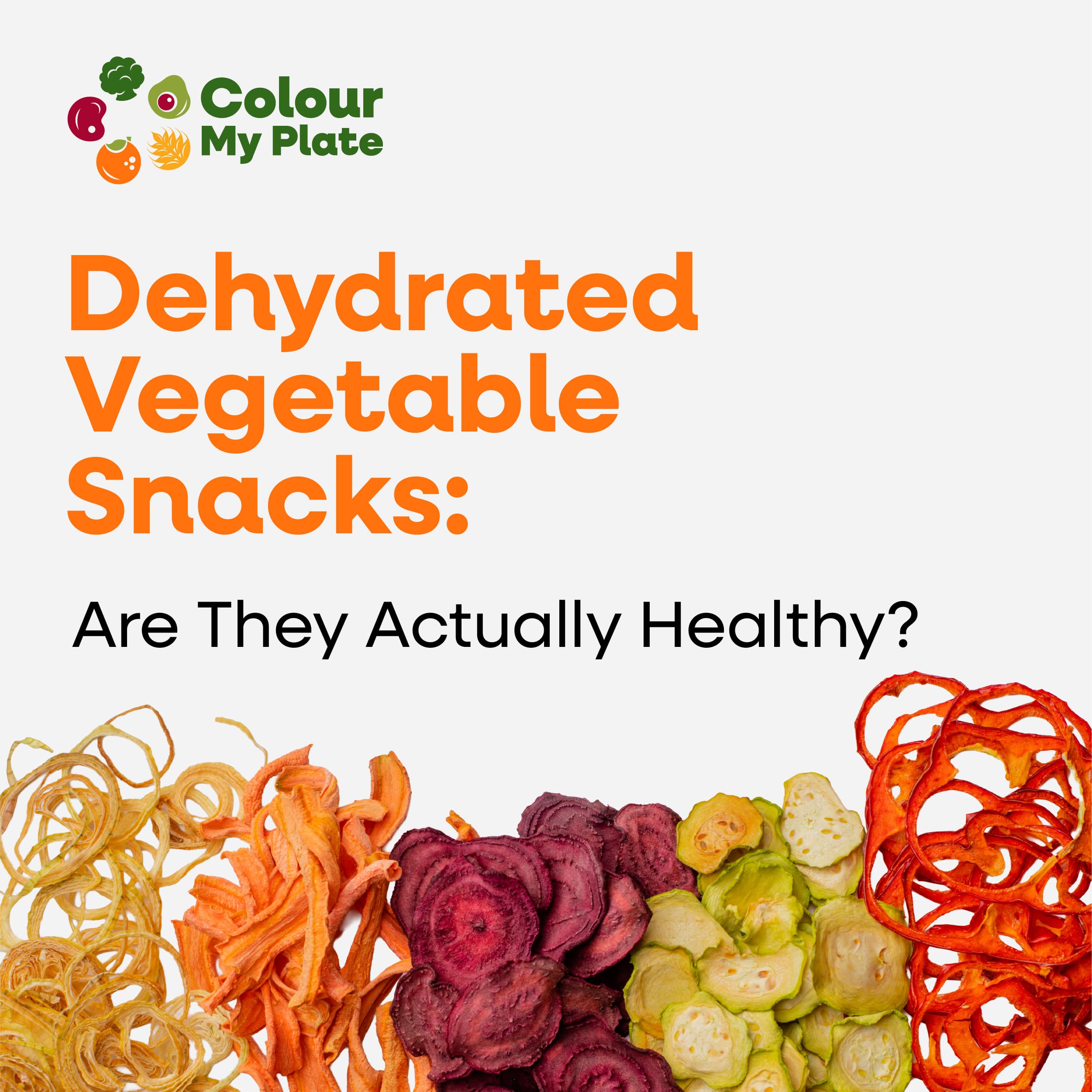
Dehydrated vegetable snacks have quietly taken over pantry shelves. They promise of the crunch of chips with the nutrition of actual vegetables. As a dietitian, I get asked about them all the time. Are they truly healthy, or just another snack riding a wellness trend?
The short answer: it depends on the product. Let’s break down what’s really going on inside that crunchy bag.
Dehydration removes water from fresh produce using low, steady heat. This concentrates the natural sugars and nutrients left behind. The result is a lightweight, shelf-stable snack with a satisfying crunch.
Kale chips, veggie straws, dried green beans, and crispy carrot chips all fall into this category. So do beet chips, sweet potato crisps, and dried snap peas. Most start from a single vegetable, though some blend several together.
Plain dehydrated vegetable snacks hold onto most of their original nutrients. Vitamins A, C, and K typically survive the drying process well. Fiber stays intact too, since dehydration removes water, not substance.
That fiber matters more than people realize. It supports digestion and helps you feel satisfied after a snack, not just full. Compare that to a bag of potato chips, which offers little beyond salt, fat, and refined starch.
Dehydrated veggie snacks also tend to be calorie-dense in a good way. A small handful delivers more nutrition per bite than the same volume of fresh vegetables. That makes them genuinely useful for hikers, parents, or anyone who struggles to eat enough produce in a day.
Not every bag on the shelf deserves a health halo. Some brands add oil, sugar, or seasoning blends high in sodium. Frying vegetables before dehydrating them, a common shortcut for “veggie chips,” adds back much of the fat that drying was supposed to avoid.
Portion size matters too. Dehydrated produce is incredibly easy to overeat, since it’s light, crunchy, and low in volume next to fresh veggies. A cup of dried kale chips can disappear in seconds, while a cup of fresh kale takes real effort to finish.
And dehydration does reduce a few nutrients, particularly vitamin C, which breaks down with prolonged heat exposure. The loss is usually modest, but it’s worth knowing the vegetable isn’t nutritionally identical to its fresh form.
A few minutes with the ingredient list tells you a lot. Look for vegetables as the first and only ingredients, with little else mixed in. Watch for words like “fried,” “vegetable oil,” or long lists of seasonings and preservatives.
Sodium is worth checking closely. Some seasoned veggie chips pack as much salt per serving as traditional potato chips. If a product lists added sugar high on the ingredient list, it’s likely more candy than vegetable.
A home dehydrator, or even a low oven setting, makes it simple to control exactly what goes into your snack. Thin, even slices dry more evenly and crisp up better than thick ones. Kale, zucchini, beets, and sweet potatoes all work well for beginners.
A light pinch of salt or favorite spice blend adds flavor without the need for added oil. Homemade dehydrated vegetable snacks store well in an airtight container for weeks, making them easy to prep ahead.
Dehydrated vegetable snacks can be a genuinely smart addition to a balanced diet. They’re convenient, nutrient-dense, and a clever way to sneak more plants into a day that doesn’t leave time for produce. The key is choosing simple, minimally processed options and paying attention to portions.
No single snack needs to carry the weight of “healthy” or “unhealthy” on its own. A crunchy handful of veggie chips alongside a piece of fruit or some hummus makes a satisfying snack. That balance, more than any single ingredient, is what actually supports a sustainable way of eating.