15 Mar 2024
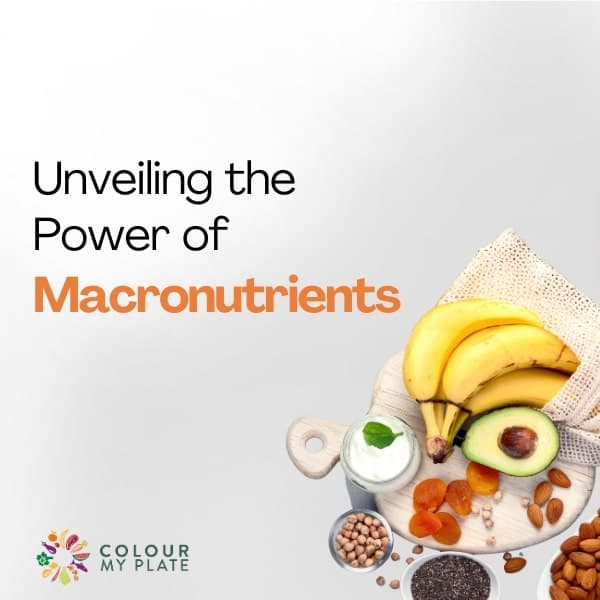
Unveiling the Power of Macronutrients
Nutrition plays a major role in maintaining good health and well-being. Among the essential components of a healthy diet are macronutrients—proteins, […]

Blog / Article

3 Jun 2026
Pregnancy is a beautiful journey, but let’s be honest, the early weeks can feel anything but magical. For many women, sickness becomes an unwelcome daily companion, bringing waves of nausea, food aversions, and fatigue. Despite its name, morning sickness can strike at any time of day, making even simple routines feel overwhelming.
The good news? There are natural, gentle ways to ease these symptoms and help you feel more like yourself again.
Morning sickness is largely driven by hormonal changes, especially the rapid rise in hCG (Human Chorionic Gonadotropin) and estrogen levels. While it’s often a sign that your pregnancy is progressing normally, that doesn’t make it any easier to handle.
Triggers vary from person to person, but common ones include strong smells such as perfume, cooking, or coffee, having an empty stomach, fatigue or stress, and certain food textures or types. Understanding your personal triggers is the first step toward managing symptoms.
Before jumping out of bed, try nibbling on a plain cracker or dry toast. Keeping something light in your stomach can prevent that sudden wave of nausea.
Instead of three large meals, aim for smaller portions every 2–3 hours. This helps stabilize blood sugar and keeps your stomach from becoming too empty.
Ginger has been widely used for nausea relief. Whether in tea or fresh slices, it can help calm your stomach naturally.
Sip fluids throughout the day rather than drinking large amounts at once. Cold water, lemon infused water, or even ice chips can be easier to tolerate.
Foods like bananas, oats, and chickpeas may help reduce nausea. Some women also benefit from B6 supplements (always consult your doctor first).
A short walk or simply opening a window can make a big difference. Fresh air helps reduce sensitivity to smells and can ease queasiness.
Greasy, spicy, or overly rich foods can worsen symptoms. Stick to bland, easy-to-digest options when you’re feeling unwell.
Lifestyle habits can play a key role in managing nausea during pregnancy. First, it’s important to rest whenever possible, as fatigue can often make symptoms worse. Try to avoid lying down immediately after eating, since this can intensify discomfort. Some women also find relief using acupressure bands, similar to those designed for motion sickness. Moreover, keeping snacks nearby at all times, whether in your bag or by your bedside, can also help prevent an empty stomach, which may trigger nausea.
While mild to moderate nausea is common, severe symptoms such as persistent vomiting, dehydration, or weight loss may indicate a condition that requires medical attention. Always check in with your healthcare provider if symptoms feel unmanageable.
Morning sickness can be physically and emotionally draining. Some days, just getting through the day is enough, and that’s okay. Listen to your body, nourish it as best as you can, and remember that this phase is temporary and that your body is doing something incredible!