17 Feb 2021
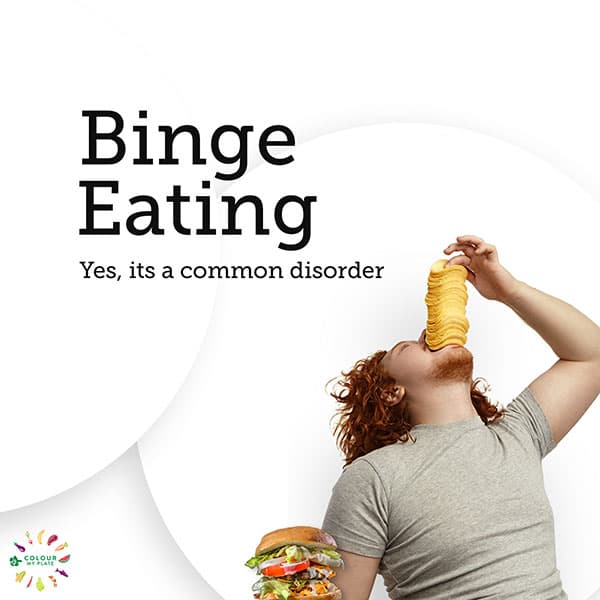
Binge Eating
Binge eating goes beyond consuming large amounts of food in a short time; it involves a struggle for control and often […]
Blog / Article

20 May 2026
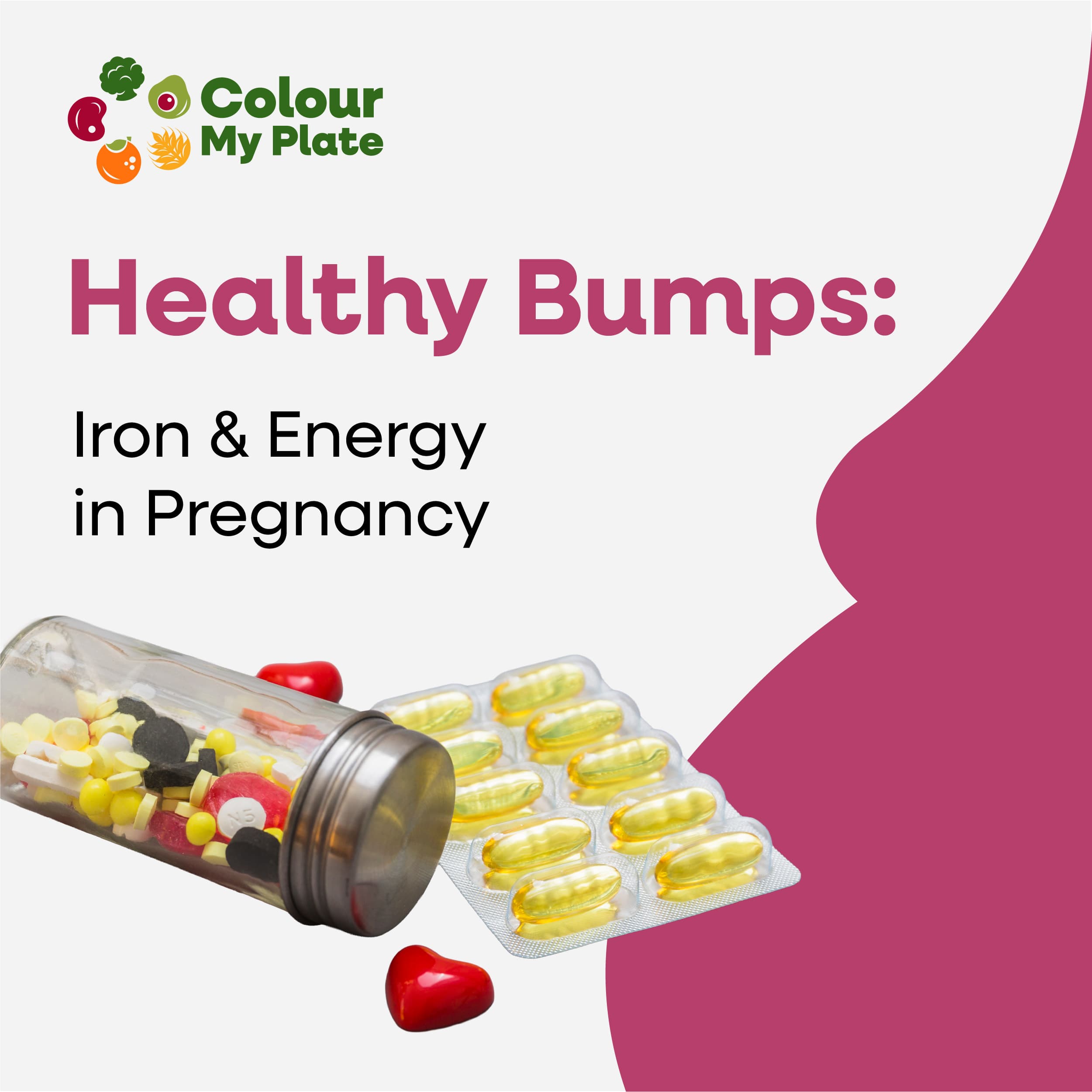
Pregnancy is a time of rapid change; physically, hormonally, and nutritionally. Among all nutrients, iron plays one of the most critical roles in supporting both maternal health and fetal development. Yet iron deficiency is also one of the most common nutritional challenges during pregnancy, often showing up as fatigue, dizziness, or low energy. Understanding how iron works and how to build a pregnancy-friendly diet that supports it can make a meaningful difference in how you feel day to day.
Iron is essential for making hemoglobin, the protein in red blood cells that carries oxygen throughout your body. During pregnancy, your blood volume increases significantly, meaning your body needs more iron than usual to keep up.
Adequate iron supports oxygen delivery to your baby, helps maintain healthy energy levels, promotes healthy brain development in the fetus, and lowers the risk of iron-deficiency anemia. When iron levels drop too low, the body may experience symptoms such as extreme tiredness, shortness of breath, and difficulty concentrating, symptoms that many people mistake for normal pregnancy fatigue.
Pregnant individuals generally need nearly double the iron compared to non-pregnant adults because iron is essential for increasing maternal blood supply, supporting placental development, and building the baby’s iron stores for after birth. Since the body cannot produce iron on its own, it must be obtained through iron-rich foods or supplements prescribed by a healthcare provider.
A balanced pregnancy diet should include both heme iron and non-heme iron. Heme iron comes from animal sources and is more easily absorbed, while non-heme iron comes from vegan sources.
Heme iron sources include beef and lamb, poultry, fish, and eggs. These foods excel at replenishing iron stores because the body absorbs their iron more efficiently, making them particularly helpful for individuals who receive a low iron diagnosis during pregnancy.
Plant-based iron sources include spinach, lentils, chickpeas, legumes, tofu, fortified cereals, nuts, and seeds. While the body does not absorb plant-based iron as efficiently as animal sources, pairing these foods with vitamin C–rich options such as citrus fruits, tomatoes, or bell peppers can significantly improve iron absorption.
It’s also important to be mindful that certain substances can reduce iron absorption. This is including tea and coffee (especially when consumed around meals) and high-calcium supplements taken at the same time as iron-rich foods. You don’t need to eliminate these from your diet, simply spacing them out from iron-rich meals can help your body absorb iron more effectively.
Feeling tired in pregnancy is normal, but persistent exhaustion can sometimes signal low iron levels. Iron deficiency doesn’t just affect energy, it can also influence mood, focus, and physical endurance. If fatigue feels overwhelming or unusual, a simple blood test can check your iron status.
Iron is a cornerstone nutrient in pregnancy, supporting both your energy and your baby’s development. With a thoughtful mix of animal and plant-based sources, plus smart food pairings, it’s absolutely possible to meet your needs through everyday meals.