4 Feb 2026
Decoding Cravings: What Your Body Is Really Trying to Tell You
Ever found yourself reaching for chocolate at 3 p.m., craving chips after a long meeting, or dreaming of ice cream late […]
Blog / Article

9 Sept 2026
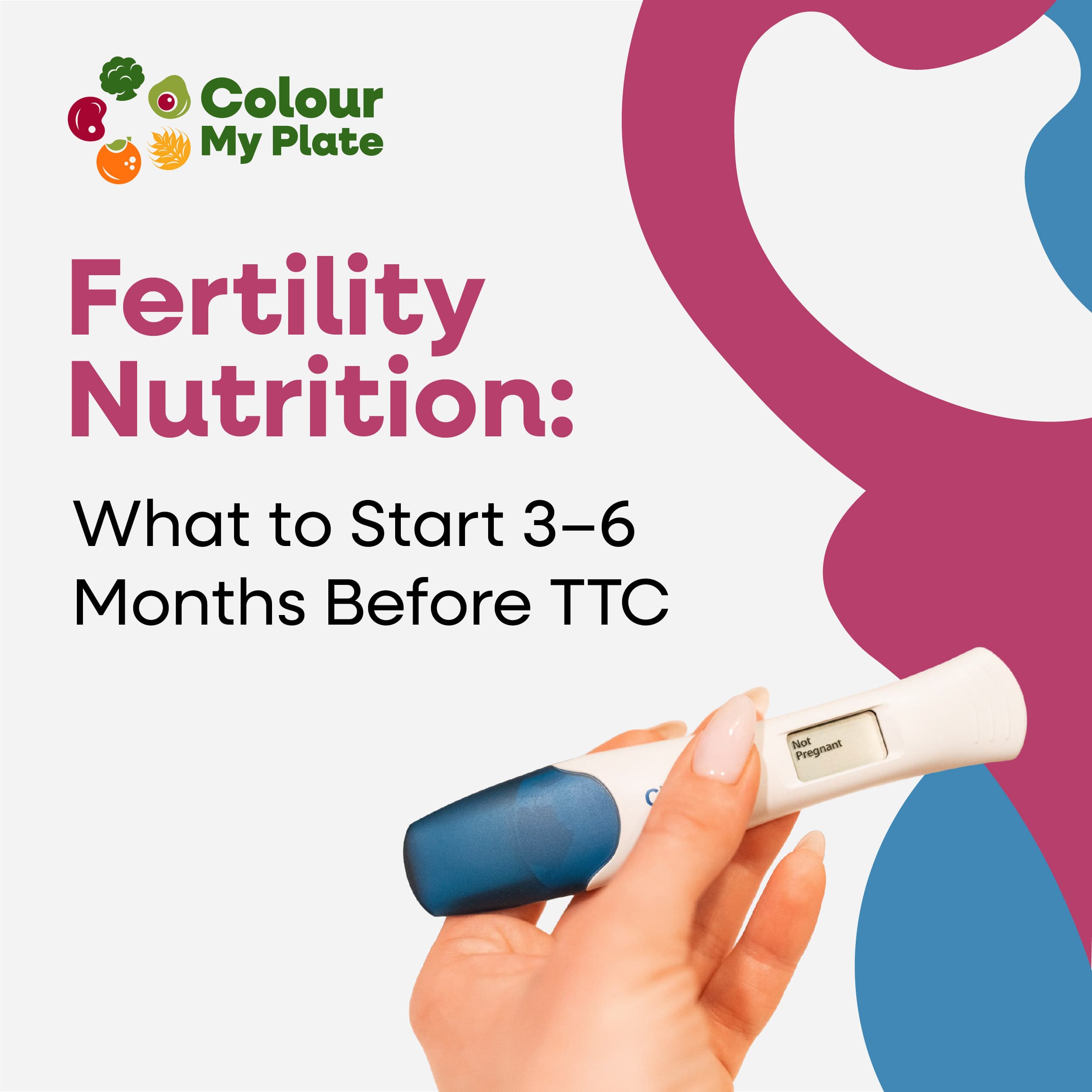
Preparing for Pregnancy starts long before a positive pregnancy test. The months leading up to conception are a critical window for supporting egg quality, hormone balance, and overall reproductive health. Because eggs take approximately 90 days to mature before ovulation, adopting healthy habits 3–6 months beforehand can help create the best possible environment for conception and a healthy pregnancy.
A fertility-supportive diet emphasizes whole, minimally processed foods that provide the vitamins, minerals, antioxidants, and healthy fats needed for reproductive health.
Aim to include:
Folate is one of the most important nutrients to prioritize while preparing for pregnancy, as it plays a crucial role in early fetal development. To help build adequate folate stores, include folate rich foods such as leafy green vegetables, lentils, beans, asparagus, citrus fruits, and fortified grains in your diet. Many healthcare providers also recommend starting a prenatal vitamin containing folic acid or methylfolate at least three months before trying to conceive.
Maintaining stable blood sugar levels is an important part of supporting hormone regulation and healthy ovulation. To promote better blood sugar balance, pair carbohydrates with protein and healthy fats, choose high-fiber carbohydrate sources, limit highly processed snacks and sugary beverages, and aim to eat regular, balanced meals throughout the day.
This approach can be particularly beneficial for individuals with insulin resistance or conditions such as polycystic ovary syndrome (PCOS).
Protein plays a vital role in fertility by providing the building blocks needed for hormone production and healthy egg development. Including a source of protein at each meal can also help maintain steady energy levels, promote satiety, and support blood sugar control. Fertility-friendly protein options include eggs, fish and seafood, chicken, turkey, Greek yogurt, cottage cheese, lentils, beans, tofu, tempeh, nuts, and seeds.
Healthy fats are essential for hormone production and overall reproductive function, making them an important part of a fertility-supportive diet. Focus on incorporating nutrient-rich sources of healthy fats such as extra virgin olive oil, avocados, nuts, seeds, nut butters, and fatty fish like salmon, sardines, and trout.
In addition to a balanced diet, several nutrients play important roles in fertility and reproductive health and may deserve special attention before conception. These include iron, vitamin D, vitamin B12, zinc, iodine, and choline, all of which contribute to essential reproductive processes. Discuss nutrient testing and appropriate supplementation with your healthcare provider to help ensure optimal nutrient stores before pregnancy.
Nutrition is only one component of preconception wellness. Several lifestyle factors can also impact fertility and reproductive health:
– Prioritize Sleep: Aim for 7–9 hours of quality sleep each night.
– Manage Stress: Incorporate mindfulness practices, gentle exercise, time outdoors, or relaxation techniques.
– Stay Physically Active: Moderate exercise is generally beneficial when preparing for pregnancy.
– Limit Alcohol and Avoid Smoking
– Consider Starting a Prenatal Vitamin: When choosing a prenatal vitamin, look for one that contain folate or folic acid, iron, iodine, vitamin D, and vitamin B12 (especially for vegetarians and vegans).
The 3–6 months leading up to trying to conceive offer an opportunity to nourish your body, support hormone balance, and build nutrient stores that benefit both fertility and future pregnancy. By focusing on a balanced diet, key fertility-supportive nutrients, regular physical activity, quality sleep, and overall wellness, you can create a strong foundation for reproductive health and take proactive steps toward your TTC journey.