
16 Apr 2024
Nutrition for Sound Sleep
A good night’s rest is crucial for overall well-being, yet many factors can influence the quality of our rest. One often […]
Blog / Article

11 Nov 2026
Magnesium plays an important role in keeping our bodies healthy. It supports muscle function, nerve communication, energy production, and bone health. Despite its importance, many people struggle to get enough magnesium through their diets.
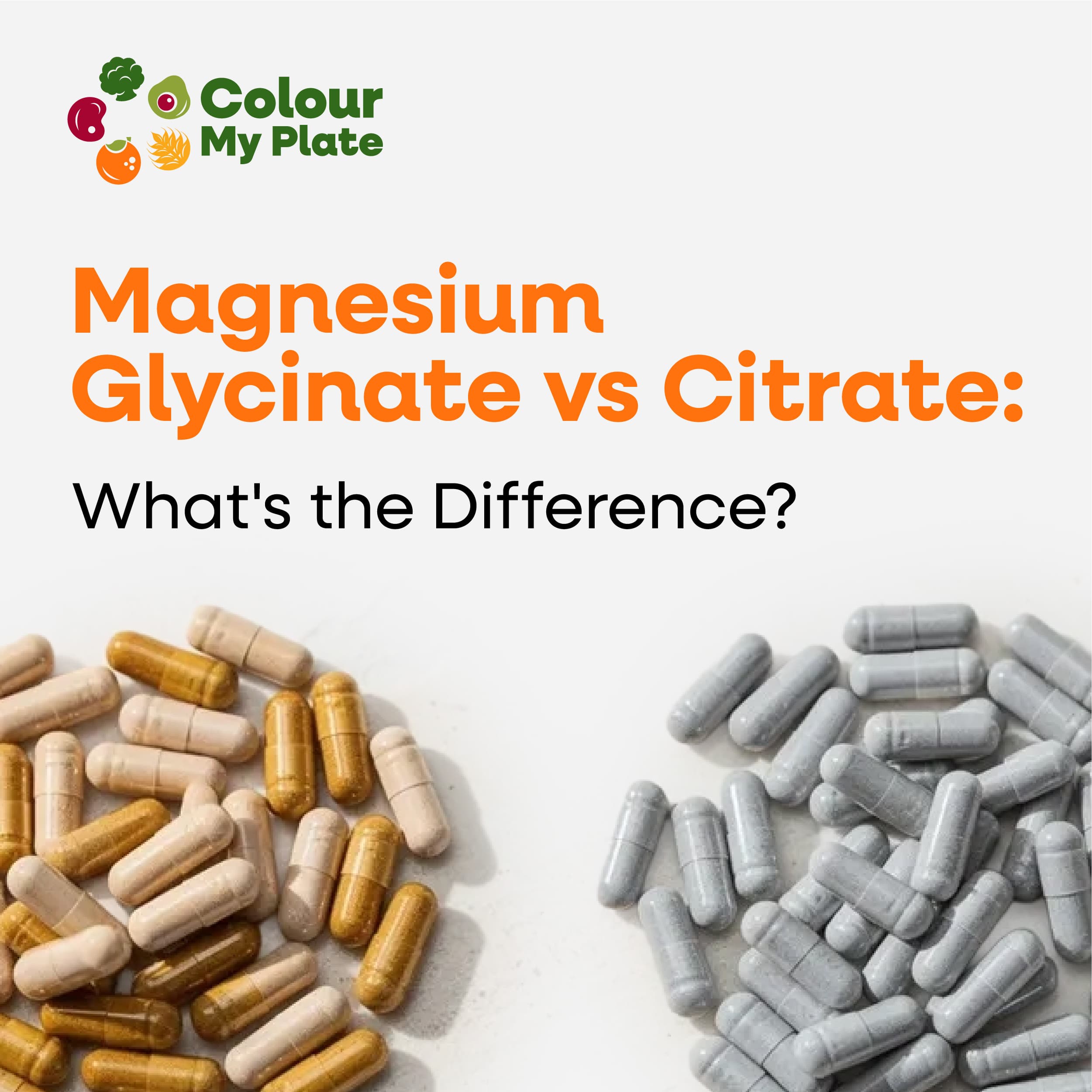
Magnesium supplements offer one way to increase intake. However, they come in several forms, each with different properties. Two popular options are magnesium glycinate and magnesium citrate. So, what’s the difference, and how do you choose the right one?
Magnesium supports more than 300 enzyme systems involved in essential bodily functions. It helps regulate muscle contractions, supports normal nerve function, and contributes to energy production.
It also helps maintain healthy bones and supports normal blood glucose and blood pressure regulation.
You can find magnesium naturally in many everyday foods, including:
A balanced diet can provide a significant amount of your daily magnesium needs. However, some people may require supplements to address inadequate intake.
Magnesium glycinate combines magnesium with glycine, an amino acid. This combination creates a form known as a magnesium chelate.
Many people choose magnesium glycinate because it tends to cause fewer digestive side effects than some other forms.
Its potential benefits include:
Magnesium glycinate may suit people who experience digestive discomfort with other magnesium supplements. However, individual responses can vary.
Magnesium citrate combines magnesium with citric acid. It dissolves relatively well and offers good bioavailability compared with some other forms, particularly magnesium oxide.
Its most notable feature involves digestive health. Magnesium citrate attracts water into the intestines. This helps soften stools and encourages bowel movements.
People commonly use it for:
However, magnesium citrate can cause loose stools, diarrhoea, and abdominal discomfort. These effects become more likely with higher doses.
Both forms provide magnesium, but they differ in their composition and effects on digestion.
| Feature | Magnesium Glycinate | Magnesium Citrate |
|---|---|---|
| Composition | Magnesium + glycine | Magnesium + citric acid |
| Digestion | Generally gentler | Can have a laxative effect |
| Common use | Magnesium supplementation | Supplementation and occasional constipation relief |
| Absorption | Research remains limited | Good bioavailability |
| Potential side effects | Usually well tolerated | Loose stools and diarrhoea |
Neither form is universally better. The right choice depends on your digestive health, nutritional needs, and individual tolerance.
It’s also important to understand that research has not established that glycinate is superior to citrate for overall health outcomes.
Start by considering why you want to take magnesium.
If you have a sensitive digestive system, magnesium glycinate may offer a gentler option. If you also experience occasional constipation, magnesium citrate may better suit your needs.
Before choosing a supplement, consider these factors:
More magnesium does not necessarily mean better results. Adults generally need between 310 and 420 mg daily, depending on age and sex. This amount includes magnesium from both food and supplements.
The recommended upper limit for magnesium from supplements and medications is 350 mg daily for adults, unless a healthcare professional advises otherwise. This limit does not include magnesium naturally present in food.
People with kidney problems should seek medical advice before taking magnesium supplements. Magnesium can also interfere with certain antibiotics and osteoporosis medications.
Magnesium glycinate and magnesium citrate both offer ways to support your daily magnesium intake. However, their differences can make one more suitable than the other.
Glycinate generally offers better digestive tolerance, while citrate provides good bioavailability and may help with occasional constipation.
Ultimately, choosing the right supplement starts with understanding your nutritional needs. A balanced diet remains the foundation of good health, while supplements can help fill specific nutritional gaps when necessary.