
30 Dec 2023
Psyllium Husk: The Fiber Superhero
Psyllium Husk: Nature’s Digestive Ally Psyllium husk, derived from the seeds of the Plantago ovata plant, is a natural dietary fiber […]
Blog / Article

26 Aug 2026
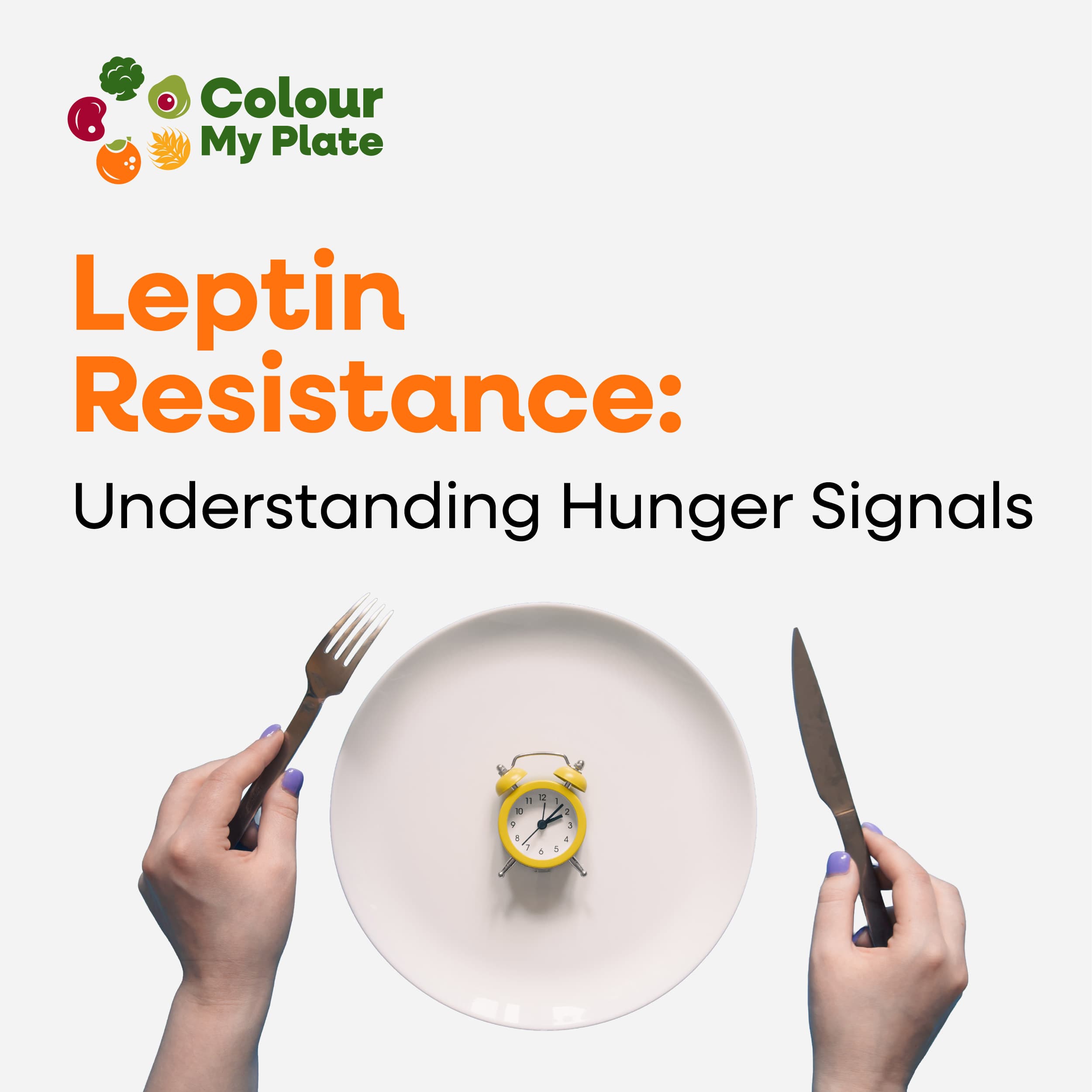
Have you ever wondered why feeling full doesn’t always come easily, even after eating a satisfying meal? The answer may involve more than willpower or portion sizes. Inside the body, a complex network of hormones helps regulate hunger, fullness, and energy balance. One of these important hormones is leptin, a key messenger that helps the brain understand when the body has enough stored energy. When this communication becomes disrupted, it can contribute to a condition known as leptin resistance, where the body becomes less responsive to leptin’s signals.
Understanding how leptin works can provide valuable insight into appetite regulation, metabolism, and the role nutrition plays in supporting overall health.
Leptin is a hormone mainly produced by fat cells. Its primary role is to communicate with the brain, particularly an area called the hypothalamus, to help regulate hunger and energy balance.
When fat stores increase, leptin levels typically rise, sending a signal that enough energy is available. This helps reduce appetite and encourages the body to maintain a stable energy balance. In simple terms, leptin acts as one of the body’s natural “fullness signals.”
However, leptin does not work alone. Appetite is influenced by many factors, including other hormones, sleep, stress, emotions, physical activity, and the foods we eat.
Leptin resistance occurs when the brain becomes less sensitive to leptin’s signals. Although leptin levels may be high, the brain may not respond as effectively to the message that enough energy is available. This can lead to disrupted hunger signals, making it more difficult for the body to regulate appetite and energy intake.
Leptin resistance is often associated with factors such as excess body fat, chronic inflammation, poor sleep, and long-term energy imbalance. However, it is important to remember that weight regulation is complex and influenced by many biological and environmental factors.
When leptin signalling works properly, hunger and fullness cues are easier for the body to regulate. When these signals become impaired, some people may experience increased hunger, cravings, or difficulty feeling satisfied after meals.
This does not mean the body is “broken” or that weight management is simply about controlling hunger. Instead, it highlights the importance of supporting the systems involved in appetite regulation.
Healthy weight goals are best approached through sustainable habits that support metabolism, hormones, and overall well-being rather than extreme restriction.
While there is no single food that can “fix” leptin resistance, an overall balanced eating pattern can help support the body’s natural regulatory systems.
Protein plays an important role in promoting fullness and supporting healthy appetite regulation. Including a source of protein at meals can help maintain steady energy levels and reduce excessive hunger throughout the day.
Good sources include eggs, fish, poultry, Greek yogurt, legumes, tofu, tempeh, nuts, and seeds.
Fibre supports digestive health and helps slow digestion, contributing to longer-lasting feelings of fullness.
Foods such as vegetables, fruits, whole grains, beans, and lentils provide fibre along with important vitamins, minerals, and plant compounds that support overall health.
Healthy fats contribute to balanced meals and help support hormone production. Sources such as olive oil, avocado, nuts, seeds, and fatty fish provide important nutrients that can be part of an appetite-supportive eating pattern.
Chronic low-grade inflammation is associated with changes in leptin signalling. Including a variety of colourful fruits and vegetables, omega-3-rich foods, herbs, spices, and minimally processed foods can help support the body’s natural inflammatory balance.
Nutrition is only one part of the picture. Several lifestyle factors can influence hunger hormones and appetite regulation.
Poor sleep can affect hormones involved in hunger and fullness, potentially increasing cravings and making appetite regulation more challenging.
Long-term stress can influence eating behaviours, inflammation, and metabolic health. Finding healthy ways to manage stress, such as movement, relaxation techniques, and time outdoors, can support overall well-being.
Regular movement supports metabolic health and helps maintain a healthy relationship between energy intake and energy expenditure.
Leptin resistance is a reminder that hunger and weight regulation are influenced by complex biological processes. The body is constantly communicating through hormones, signals, and feedback systems that work together to maintain balance.
Rather than focusing on restrictive diets or quick fixes, supporting these systems comes from consistent habits: eating balanced meals, prioritising nutrient-rich foods, getting enough sleep, managing stress, and staying active.
Understanding your body’s signals is the first step toward working with it, not against it. Through sustainable choices, you can support healthier hunger cues and create a foundation for long-term wellness.