13 Nov 2024
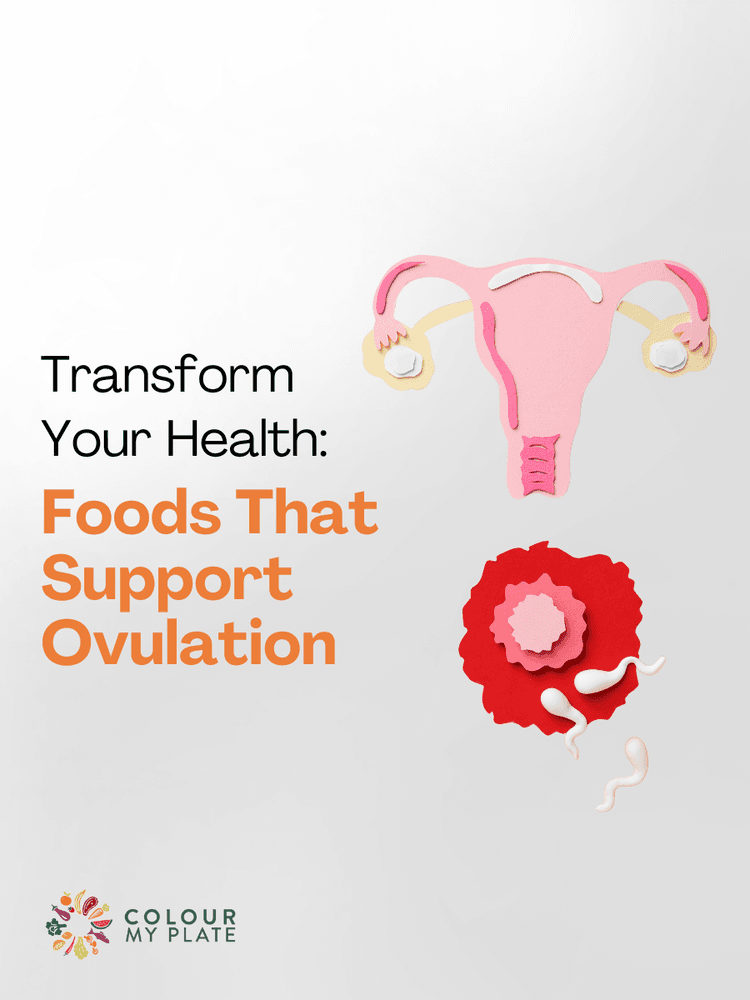
Transform Your Health: Foods That Support Ovulation
Nutritional intake is closely linked to ovulation, as specific foods promote it by contributing to hormonal balance and supplying essential nutrients […]
Blog / Article

12 Aug 2026
Intermittent fasting and hormones are more connected than most people realize, and that connection looks very different depending on your biology. If you’ve tried intermittent fasting and felt amazing, or tried it and felt completely derailed, your hormones are likely a big part of that story. As a dietitian, this is one of the most nuanced topics I cover with clients, and the science behind it is worth understanding before jumping into any fasting protocol.
Let’s get into what’s actually happening in the body.
Fasting isn’t just a break from eating. It’s a signal the body receives and responds to hormonally. When food intake is restricted, the body shifts its priorities, thus affecting insulin, cortisol, thyroid hormones, and reproductive hormones in ways that vary considerably between women and men.
Some of these shifts are genuinely beneficial. Others can become problematic if fasting is too aggressive or prolonged. And critically, research suggests that women tend to be more sensitive to these hormonal disruptions than men.
For men, the research picture around intermittent fasting and hormones is relatively positive overall.
Insulin sensitivity typically improves with fasting, which supports better blood sugar regulation and metabolic health. Human growth hormone levels tend to rise during fasted states, which may help preserve muscle mass. Testosterone responses are more mixed, some studies show modest reductions in lean, physically active young men, though muscle mass and strength don’t appear to be affected in most cases.
The broader takeaway for men is that short-term intermittent fasting tends to support hormonal balance rather than disrupt it, particularly when protein intake and overall nutrition remain adequate.
This is where the picture gets more complicated. Women’s hormonal systems are more complex, cycling through weekly and monthly shifts in estrogen, progesterone, and luteinizing hormone. This natural cycling makes women more sensitive to signals of energy restriction.
When the female body perceives a calorie shortage, even a temporary one, it can down regulate reproductive hormones as a protective response. The body essentially deprioritizes reproduction when it senses resources may be limited. This can show up as irregular periods, cycle disruption, or changes in ovulation.
Research has found that intermittent fasting can lower androgen markers (including testosterone and the free androgen index) while raising sex hormone-binding globulin in women with obesity. For women with PMOS, this can actually be a helpful outcome. For women without hormonal imbalances, the same shift may cause unwanted disruption.
Cortisol, the body’s primary stress hormone, is another consideration. Skipping meals or fasting for extended periods can raise cortisol levels, particularly in women. Over time, elevated cortisol can interfere with thyroid function, estrogen balance, and overall hormonal rhythm.
It’s worth being direct about something: most intermittent fasting research has been conducted primarily on men. Women are underrepresented in fasting studies, which makes it harder to draw firm conclusions about long-term hormonal effects.
What we do know is that responses vary widely based on factors like age, menopausal status, pre-existing hormonal conditions, stress levels, and how aggressive the fasting protocol is. A 12-hour overnight fast looks very different hormonally from a strict 18:6 or alternate-day fasting approach.
A few signals worth paying attention to:
Some groups should approach intermittent fasting carefully, particularly where hormonal health is a concern:
Women who are trying to conceive, pregnant, or breastfeeding should avoid fasting protocols beyond a normal overnight window without guidance from a healthcare provider. Women with a history of disordered eating, hypothyroidism, or adrenal issues also warrant extra caution.
Men are generally less vulnerable to hormonal disruption from fasting, but those in high-stress environments or with low body fat should monitor energy, mood, and libido as useful feedback signals.
Intermittent fasting and hormones aren’t a one-size-fits-all story. The same protocol can work beautifully for one person and quietly disrupt another’s hormonal rhythm for months. That’s not a reason to avoid fasting entirely, it’s a reason to approach it thoughtfully.
A gentler entry point, like a 12-hour overnight fast rather than longer windows, gives most people the metabolic benefits without putting significant stress on the hormonal system. Eating enough protein and overall calories during the eating window matters too. Fasting for 16 hours and then under-eating doesn’t give the body what it needs to regulate hormones effectively.
If you’ve been fasting for a while and notice any of the symptoms above, it’s worth revisiting the approach, and speaking with a dietitian or healthcare provider who can factor in your individual health picture.