29 Jan 2025
Menopause Nutrition: Foods that Support Hormones
Menopause is a natural stage of life that every woman will experience, usually between her late 40s and early 50s. While […]
Blog / Article

15 Jul 2026
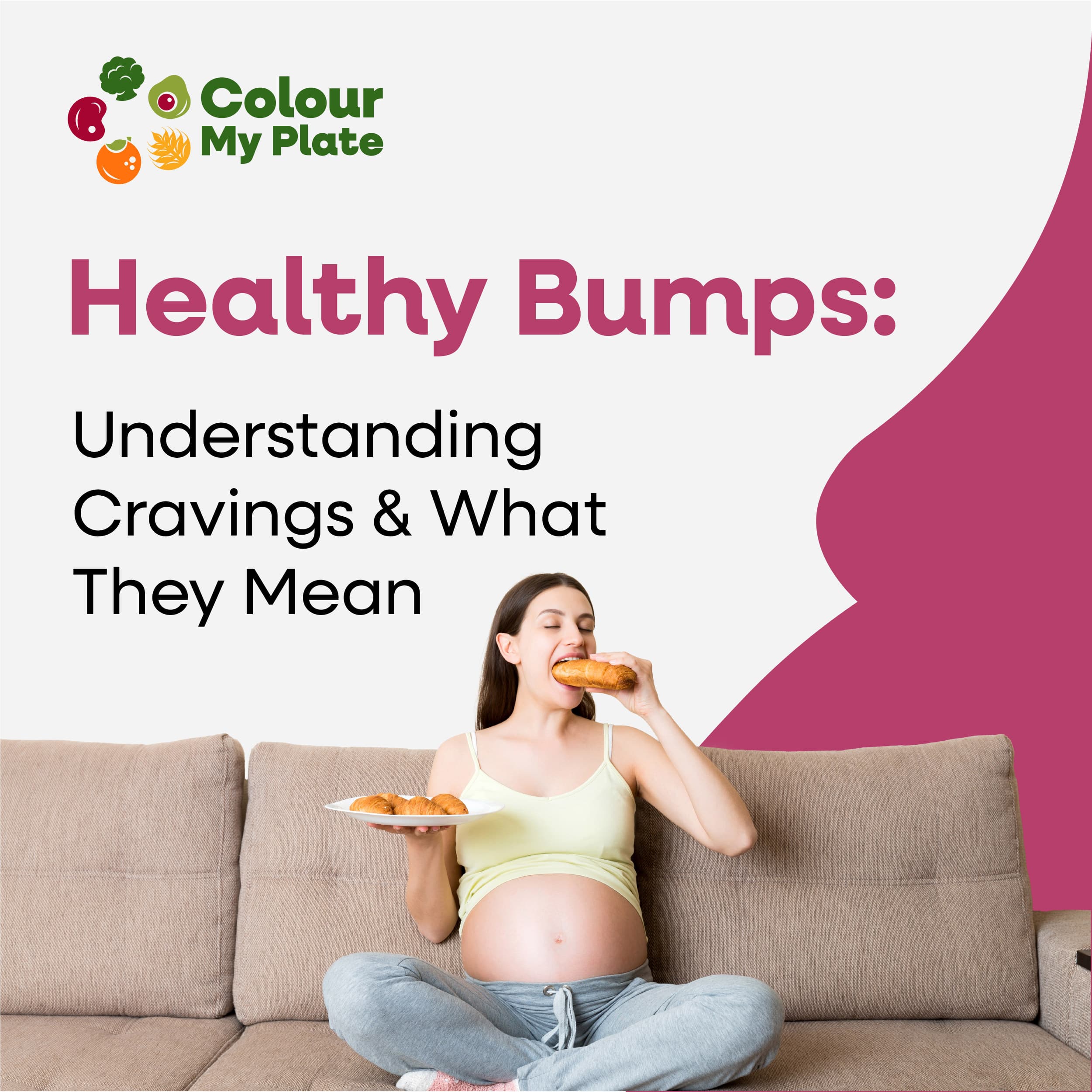
Pregnancy is a time of incredible change; physically, emotionally, and yes, nutritionally. One of the most talked-about (and sometimes confusing) parts of the journey is cravings. From sudden desires for pickles and ice cream to an intense need for salty snacks or sweets, cravings can feel random, overwhelming, and even a little mysterious.
But are they really random? Or is your body trying to tell you something?
Cravings during pregnancy are influenced by a mix of hormonal changes, increased nutritional needs, and even emotional factors. Hormones like estrogen and progesterone can heighten your sense of smell and taste, making certain foods more appealing (or completely unappealing).
At the same time, your body is working overtime to support your baby’s development. This can lead to increased demand for specific nutrients, sometimes showing up as cravings.
While not every craving has a direct nutritional explanation, some patterns can offer clues:
If you’re reaching for chocolate, pastries, or sugary snacks, your body may be seeking quick energy. Pregnancy can increase fatigue, and sugar provides a rapid (though short-lived) boost. Choosing naturally sweet options like fruits, yogurt with a drizzle of honey, or smoothies can help satisfy the craving while also delivering vitamins and fiber.
Craving chips, pretzels, or pickles may be linked to changes in fluid balance and increased blood volume during pregnancy. Incorporating options like lightly salted nuts, whole-grain crackers, or homemade snacks can help satisfy the craving while keeping sodium intake more balanced.
A strong desire for red meat may signal a need for iron, which is essential for preventing anemia and supporting your baby’s growth. Including lean cuts of beef, along with plant based sources like lentils and spinach paired with vitamin C-rich foods, can help meet these increased needs.
An intense desire for milk, cheese, or yogurt could point to increased calcium requirements.
Choosing nutrient-dense options like greek yogurt, milk, or calcium-fortified alternatives supports both bone health and your baby’s development.
Craving substances like ice, clay, or chalk is known as pica and may indicate a mineral deficiency, such as iron. This is important to discuss with a healthcare provider.
Not all cravings come from physical needs. Emotional changes, stress, boredom, or even cultural expectations around “eating for two” can influence what you crave.
It’s okay to honour your cravings, but it’s also helpful to pause and ask: • Am I actually hungry?
You don’t need to ignore cravings to have a healthy pregnancy, the goal is balance and not perfection. Allowing yourself to enjoy what you’re craving while maintaining an overall nourishing diet can help you feel more satisfied and supported throughout your pregnancy.
Simple habits can make a big difference in managing cravings. For example, eating regular meals helps stabilize blood sugar levels and can prevent sudden, intense urges for certain foods. Staying hydrated is equally important, as thirst is often mistaken for hunger. Practicing mindful eating can help you feel more in tune with your body’s signals. Moreover, planning ahead by keeping balanced, nourishing snacks within reach can also make it easier to respond to cravings in a way that supports your overall well-being.
Cravings during pregnancy are normal, and in many cases, they’re your body’s way of communicating needs. By tuning in thoughtfully and responding with nourishing choices, you can support both your well-being and your baby’s development.
So the next time a craving hits, don’t dismiss it, get curious. Your body might just be giving you a gentle nudge in the right direction.