3 May 2024
Unveiling the Mystery of Supplements
Ever wondered about the magic potions that fitness lovers swear by? Or the secret ingredients that keep some people at the […]
Blog / Article

14 Oct 2026
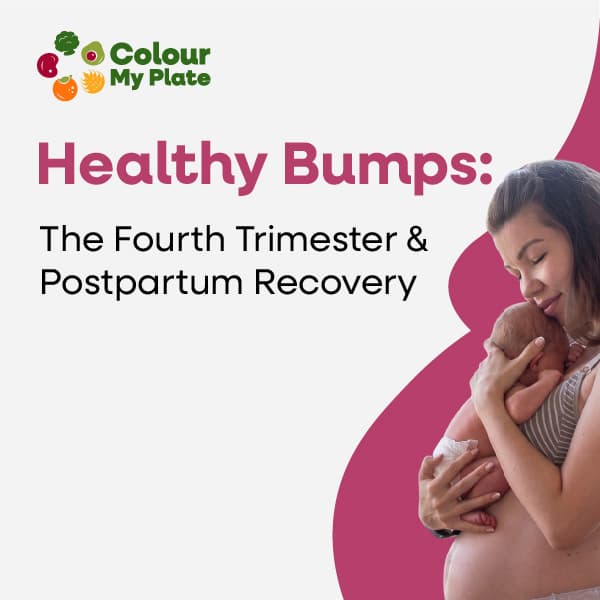
Pregnancy may end with childbirth, but a new chapter begins immediately afterward: the fourth trimester. This often-overlooked period encompasses the first 12 weeks (3 months) after birth and is a time of profound physical healing, emotional adjustment, and nutritional recovery. Whether you’re a first-time parent or adding another little one to your family, understanding the importance of postpartum recovery can help you navigate this transformative season with greater confidence and well-being.
Postpartum is a critical period during which your body recovers from pregnancy and delivery while adjusting to the demands of caring for a newborn. During this time, many women experience a range of physical and emotional changes, including hormonal fluctuations, uterine healing, breastfeeding adjustments, sleep deprivation, emotional fluctuations, and physical fatigue as the body repairs and regains strength.
While these experiences are common, every postpartum journey is unique. Recovery timelines can vary depending on factors such as the type of delivery, overall health, and the level of support available during this period.
Protein is essential during the postpartum period, as it helps rebuild tissues, supports muscle recovery, and provides sustained energy throughout the day. Excellent sources include poultry, fish, eggs, Greek yogurt, cottage cheese, beans, lentils, tofu, tempeh, nuts, and seeds. To support optimal recovery and overall wellness, aim to include a source of protein with every meal and snack.
Blood loss during childbirth can deplete the body’s iron stores, increasing the risk of iron deficiency, which may lead to fatigue, weakness, and reduced energy levels during recovery. Replenishing iron through diet is an important part of postpartum healing. Iron-rich foods include lean red meat, spinach, lentils, chickpeas, fortified cereals, and pumpkin seeds. To maximize iron absorption, pair these foods with vitamin C-rich options such as citrus fruits, berries, tomatoes, or bell peppers.
Healthy fats play a vital role in postpartum recovery by supporting hormone production, brain function, and overall healing. Excellent choices include avocados, olive oil, salmon, chia seeds, walnuts, and flaxseeds. These foods are especially rich in essential fatty acids, including omega-3s, which are particularly important for maternal mental health and may also support infant brain and nervous system development during breastfeeding.
Staying hydrated is essential during the postpartum period and new parents often become so focused on caring for their baby that they forget to drink enough fluids throughout the day. Keeping a water bottle within easy reach and sipping regularly can help maintain hydration levels. In addition to water, other hydrating options include herbal teas, milk, broth-based soups, and water-rich fruits and vegetables.
The postpartum period can bring a wide range of emotions. Joy, exhaustion, anxiety, excitement, and overwhelm can all coexist.
To support emotional health:
It’s normal to experience mood changes in the days following delivery. However, persistent sadness, anxiety, hopelessness, or difficulty bonding with your baby may signal postpartum depression and should be discussed with a healthcare professional.
Physical activity can be an important part of postpartum recovery, helping to improve circulation, boost mood, restore strength, and support overall well-being. However, it is essential to give your body adequate time to heal and to follow your healthcare provider’s recommendations before resuming exercise. Gentle activities such as short walks, pelvic floor exercises, stretching, postpartum yoga, and breathing exercises can help ease the transition back to movement.
Although uninterrupted sleep can be challenging during the newborn stage, rest remains one of the most important tools for postpartum recovery. Strategies such as sleeping when your baby sleeps, sharing nighttime responsibilities with a partner, limiting nonessential household tasks, creating a calm sleep environment, and accepting help from family and friends can help ease the burden of sleep deprivation.
Many new parents focus entirely on their newborn’s needs and unintentionally neglect their own. Remember that caring for yourself is not selfish, it’s essential. Recovery is a journey, not a destination, and every step you take toward caring for yourself contributes to a healthier, happier postpartum experience for both you and your baby.