9 Apr 2024
Healing From Within: Food Allergies and Intolerances
In today’s diverse culinary landscape, it’s crucial to be mindful of the various dietary restrictions that individuals may have due to […]
Blog / Article

10 Jun 2026
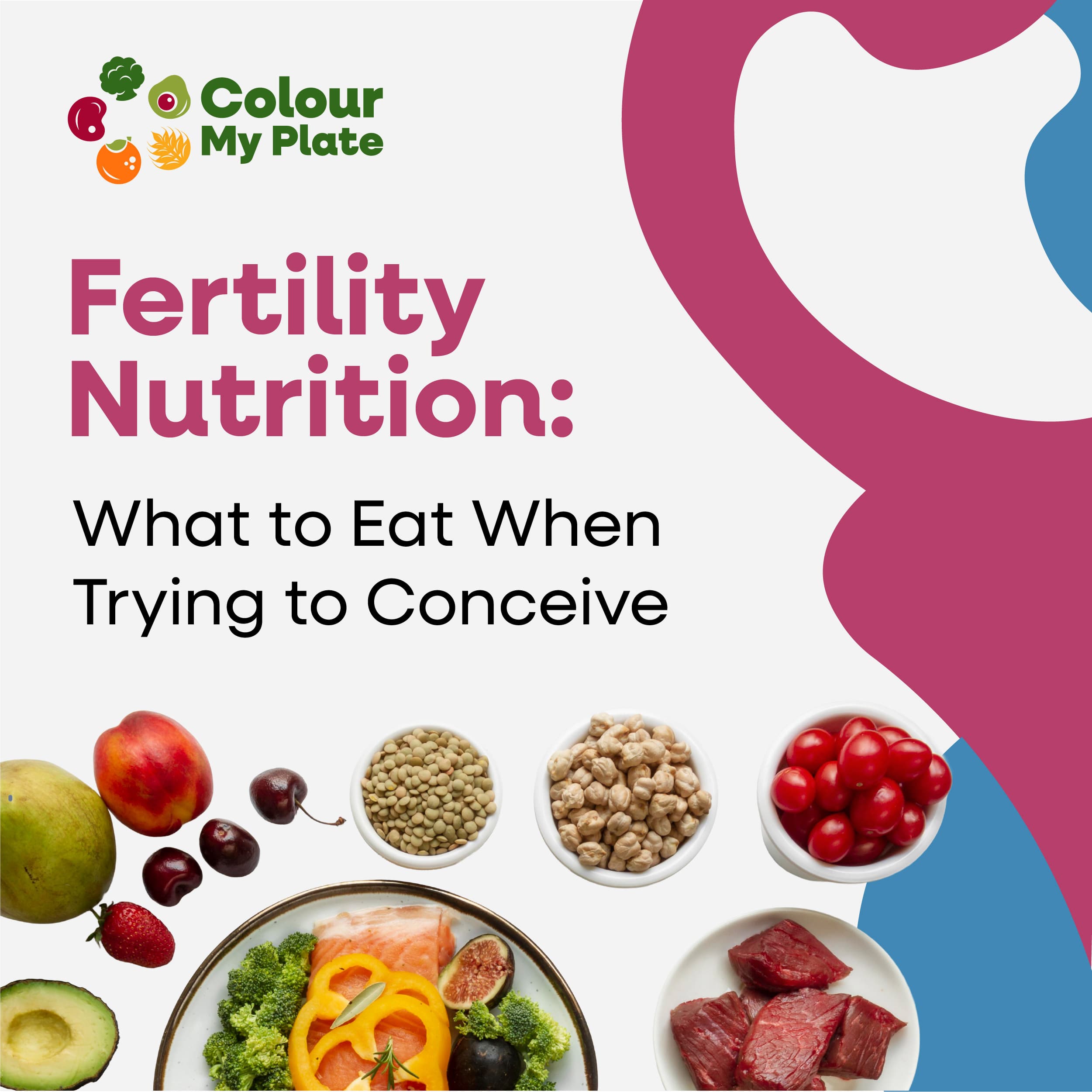
When you’re trying to conceive, nutrition becomes less about “eating perfectly” and more about supporting your hormones, ovulation, and overall reproductive health consistently. There’s no single “fertility food,” but your daily eating pattern can either support or disrupt the processes your body relies on to conceive. This guide breaks down what actually matters and how to apply it in real life.
The foundation of fertility nutrition is balanced meals that stabilize blood sugar and support hormone production.
Each main meal should include:
This combination helps regulate insulin levels, support ovulation, reduce inflammation, and keep energy stable throughout the day. So, a simple way to approach it is to include protein, carbs, and healthy fats at every meal.
Protein plays a key role in hormone production, egg quality, and blood sugar control, yet many women undereat it, especially at breakfast. A practical target is around 20–30 g per meal, ideally from a mix of animal and plant sources. This can look as simple as eggs with
whole grain toast and avocado, greek yogurt with fruit and nuts, or a meal built around chicken or lentils with rice and vegetables.
Carbohydrates are not the enemy, they are essential for ovulation, thyroid function, and overall energy balance. The key is choosing quality sources and eating them consistently, rather than restricting them. Focus on whole foods like oats, brown rice, quinoa, fruits, potatoes, and legumes, while limiting highly processed sugars and refined snacks that cause blood sugar spikes and crashes. Stable blood sugar supports hormone stability.
Dietary fats are critical for hormone production as well as reducing inflammation and supporting overall cell health. Aim to include healthy fats daily from sources like olive oil, nuts and seeds, fatty fish such as salmon, and avocado. Avoid going too low in fat, as this can negatively impact hormonal balance over time.
While overall diet matters most, some nutrients play a particularly important role:
Instead of obsessing over each nutrient, focus on diet variety as this naturally covers your needs.
Skipping meals or chronically undereating can disrupt ovulation, increase stress hormones, and signal to the body that it’s not a “safe” time for reproduction. Aim for three main meals daily, with optional snacks if needed, as regular fuelling helps support hormonal stability.
Proper hydration supports blood flow to reproductive organs, cervical mucus production, and overall metabolic function. A simple target is around 2–3+ liters per day, with higher needs if you’re active or sweating more.
You don’t need a restrictive diet, but it helps to be mindful of excess alcohol, highly processed foods, trans fats, and high caffeine intake. The focus should be on balance and consistency rather than perfection.
Fertility nutrition isn’t about strict rules or superfoods; it’s about creating a stable, well nourished environment that supports how your body naturally functions. Focus on balanced meals, adequate protein, consistent eating patterns, and mostly whole, minimally processed foods. Small, sustainable habits over time have a much greater impact than short-term “perfect” diets.