19 Jul 2024
Debunking Myths: Type 2 Diabetes & Fruits
Living with type 2 diabetes often comes with a host of dietary restrictions and myths that can make managing the condition […]
Blog / Article

21 Oct 2026
For years, dietary fat had a bad reputation. Many people grew up hearing that fat was something to avoid, especially when trying to manage weight or protect heart health. Today, we know the story is more nuanced. Fat is an essential part of a balanced diet, and the type of fat you eat matters. From olive oil and avocado to butter, nuts, seeds, and fatty fish, different fats can have very different effects on health. Understanding the difference can make it easier to choose healthy fats without feeling like you need to eliminate fat from your diet.
Fat plays several important roles in the body. It provides energy, helps build cell membranes, supports hormone production, and helps the body absorb fat-soluble vitamins such as vitamins A, D, E, and K.
Dietary fat also adds flavour and satisfaction to meals. Including some fat in a meal can help make it more filling and enjoyable.
The goal, therefore, isn’t to avoid fat. Instead, focus on the types of fat you eat most often.
Unsaturated fats generally have a more favourable effect on heart health than saturated fats. They include monounsaturated and polyunsaturated fats.
You can find monounsaturated fats in foods such as:
Polyunsaturated fats include omega-3 and omega-6 fatty acids. Fatty fish such as salmon, sardines, and mackerel provide omega-3 fats, while nuts, seeds, and plant oils provide various polyunsaturated fats.
These foods offer more than just fat. They also provide protein, fibre, vitamins, minerals, and other beneficial plant compounds.
Saturated fats occur naturally in many foods, including meat, poultry, full-fat dairy products, butter, coconut oil, and palm oil.
The relationship between saturated fat and health can be more complicated than simply labelling it “good” or “bad.” Current dietary guidance generally recommends limiting saturated fat, particularly when it replaces healthier unsaturated fats.
For example, replacing some butter or other foods high in saturated fat with olive oil, nuts, or seeds can improve the overall fat quality of your diet.
This is an important distinction. What you replace saturated fat with matters.
Trans fats are different from the naturally occurring fats found in many whole foods. Industrially produced trans fats can form when manufacturers partially hydrogenate certain oils.
These fats can raise LDL cholesterol and lower HDL cholesterol, increasing the risk of cardiovascular disease. Because of these health effects, many countries have taken steps to reduce or eliminate industrial trans fats from the food supply.
When checking packaged foods, look at the ingredient list for terms such as “partially hydrogenated oils.”
Not all healthy fats work in exactly the same way. Omega-3 fatty acids deserve particular attention because they play important roles in the heart, brain, eyes, and cell membranes.
Fatty fish are among the best dietary sources of the long-chain omega-3s EPA and DHA. Plant foods such as chia seeds, flaxseeds, and walnuts provide ALA, another type of omega-3 fatty acid.
Including a variety of these foods can help you get different types of essential fatty acids as part of a balanced diet.
You don’t need to completely change the way you eat. A few simple swaps can improve the overall quality of your diet.
Try:
Remember that even healthy fats contain a significant amount of energy. Portion size still matters, particularly if you’re managing your calorie intake.
One of the easiest ways to understand dietary fat is to look at the food it comes from.
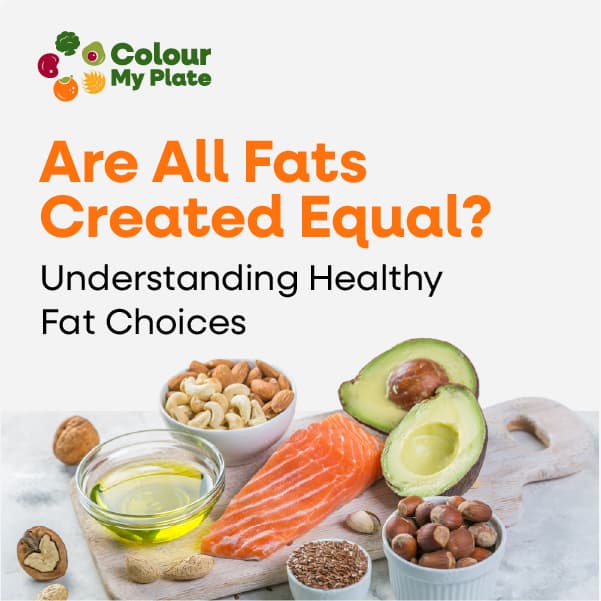
A handful of walnuts provides healthy fats alongside fibre, protein, minerals, and other plant compounds. A piece of salmon provides omega-3 fats as well as high-quality protein and other nutrients.
This is very different from focusing on fat as an isolated nutrient.
Rather than asking whether a food is “high fat” or “low fat,” consider what else that food brings to the table.
Fat doesn’t need to be the enemy. Your body needs it, and choosing a variety of nutritious sources can be part of a healthy, balanced eating pattern.
Focus on adding more foods rich in unsaturated fats, include sources of omega-3s regularly, and keep foods high in saturated and trans fats more limited.
The goal isn’t to eat perfectly or avoid certain foods forever. It’s about making small, practical choices that improve the overall quality of your diet. When you look at fat in the context of the whole meal and the whole diet, choosing healthier options becomes much simpler.