23 Oct 2024
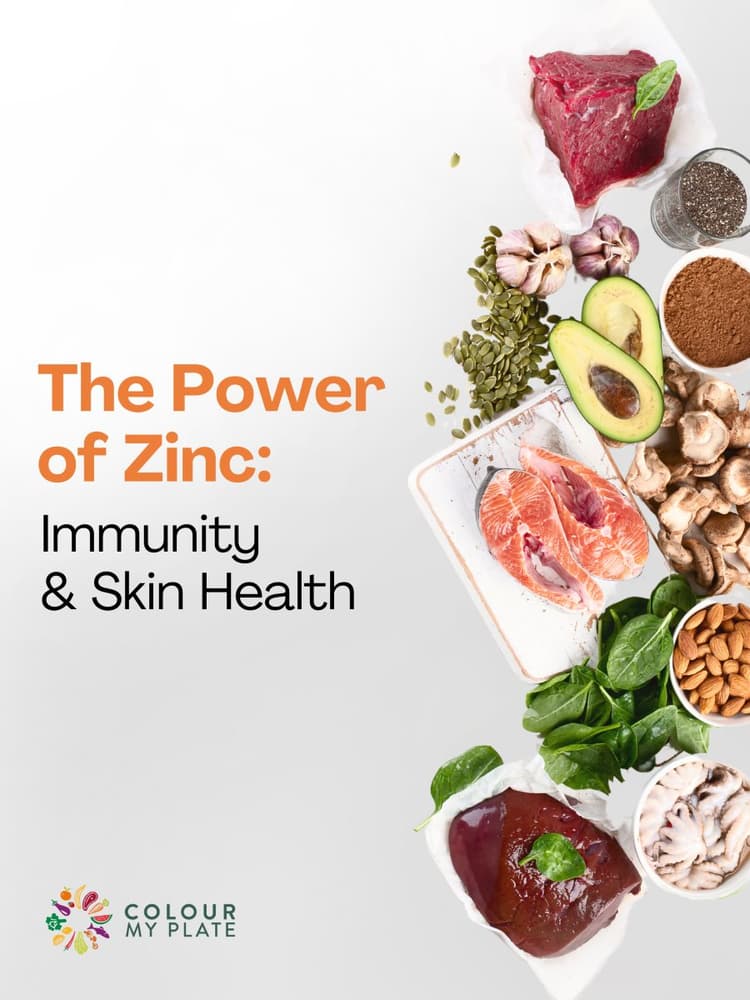
The Power of Zinc: Immunity and Skin Health
Have you ever thought about the vast health benefits of Zinc? It might be small in size, but its benefits are […]
Blog / Article

24 Jun 2026
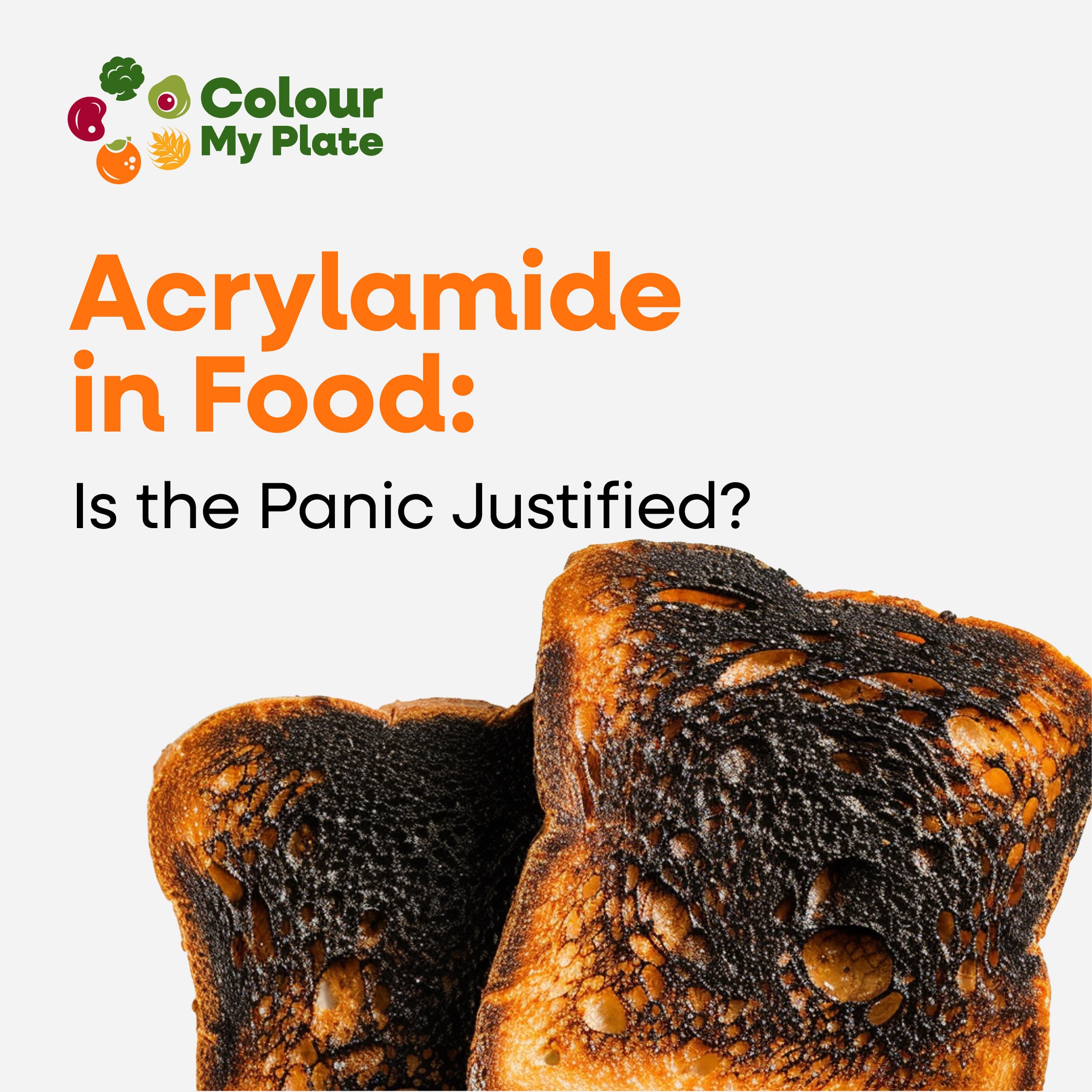
Acrylamide in food has been making headlines again, mostly thanks to social media. A viral post claims your morning toast is secretly dangerous. So let’s look at what the actual science says, not what an influencer wants you to believe.
The short version: acrylamide is real, but much of the fear is bigger than the actual risk. Let’s break down where it comes from and what the research actually supports.
Acrylamide forms naturally during a chemical reaction called the Maillard reaction. This is the same reaction that browns bread, crisps up fries, and deepens the color of roasted coffee. Sugars and amino acids react together under high heat, and acrylamide is one of the byproducts.
You can’t avoid this reaction entirely, since it’s also what creates flavor and texture in many cooked foods. Frying, roasting, baking, and toasting at high temperatures all encourage acrylamide formation. Boiling and steaming, by contrast, produce very little.
Acrylamide first made headlines in 2002, when Swedish researchers discovered it forms in fried and baked starchy foods. The International Agency for Research on Cancer later classified it as a probable human carcinogen. That classification came from animal studies, where high doses caused cancer in rats and mice.
Here’s the nuance people often miss: those animal studies used acrylamide doses far higher than anything found in a normal diet. The classification reflects the substance’s potential, not a confirmed risk at typical food exposure levels.
Human studies tell a more reassuring story. Large epidemiological reviews have not found a consistent link between dietary acrylamide and increased cancer risk in people. Some studies show no association at all. A few suggest a small increased risk for specific cancers, but the evidence remains limited and inconsistent.
Major health authorities, including the FDA, the World Health Organization, and the European Food Safety Authority, agree on this point. These agencies consider acrylamide in food low risk when eaten as part of a varied, balanced diet. None of them recommend cutting out toast or fries entirely.
Worth noting: one cancer researcher pointed out that the bigger concern with foods like fries and chips isn’t really the acrylamide. It’s the calories, refined carbs, and weight gain that come from eating them often, in large portions.
Acrylamide shows up most in starchy, plant-based foods cooked at high heat. Common sources include french fries, potato chips, crackers, toast, and breakfast cereals. Coffee and roasted nuts also contain measurable amounts, simply because roasting drives the same chemical reaction.
Darker, more well-browned foods generally contain more acrylamide than lighter ones. That overly browned, extra-crispy edge on your fries carries more of the compound than the softer center.
A few small habits can meaningfully reduce acrylamide exposure without major diet changes:
Not really, at least not in the way social media tends to suggest. Acrylamide in food is a real compound with a documented presence in many common foods, but current evidence doesn’t support fear-driven avoidance. The classification as a “probable carcinogen” reflects animal data at high doses, not a confirmed danger at the levels people actually eat.
A piece of toast or a serving of fries doesn’t need to feel like a gamble. Eating a varied diet and enjoying crispy foods in moderation beats cutting out entire food groups. The same goes for skipping nutrition decisions based on a single viral claim. Balance, not panic, is what actually protects long-term health.